CategoriesUncategorized

Obesity – A ‘Huge’ Problem for the Heart by nutritionist laiba imran

Obesity – A ‘Huge’ Problem for the Heart

Obesity isn’t just about carrying “extra weight.” It’s a chronic condition that directly harms the cardiovascular system (heart and blood vessels). It increases the chances of developing heart disease, heart failure (when the heart can’t pump properly), irregular heartbeat, and even sudden death.

How Obesity Hurts the Heart

Extra workload on the heart
When there’s too much adipose tissue (body fat), the total blood volume (amount of blood circulating in the body) increases. The heart has to pump harder to supply oxygen and nutrients to this extra tissue. Over time, this causes:

Left ventricular hypertrophy (LVH – thickening of the main pumping chamber of the heart)

Atrial dilatation (stretching of the upper heart chamber)
These changes increase the risk of heart failure (weak heart pumping) and atrial fibrillation (irregular heartbeat).

Inflammation & toxic signals from fat
Fat tissue releases adipokines (hormones/chemicals from fat cells) such as TNF-α (tumor necrosis factor – an inflammatory chemical) and IL-6 (interleukin-6 – another inflammation signal). These damage blood vessels, make them stiffer, and encourage atherosclerosis (hardening and clogging of arteries).
Sometimes, fat can even enter the heart muscle (adipositas cordis – fatty infiltration of the heart), which replaces healthy muscle with fat and scar tissue.

Clogging of arteries
Obesity accelerates atherosclerosis (plaque buildup inside arteries). Plaques are like “fatty deposits” that narrow and stiffen arteries, raising the risk of coronary artery disease (CAD – blockage of heart arteries leading to heart attack).
Belly fat (abdominal obesity) and fat around blood vessels (perivascular fat) are especially dangerous because they release chemicals that worsen artery damage.

Arrhythmias (irregular heartbeat)
Obese individuals are more likely to have:

Prolonged QT interval (delayed heart electrical recovery, seen on ECG – can trigger dangerous rhythms)

Atrial fibrillation (fast, irregular heartbeat from the upper chambers)
Both can lead to sudden cardiac death (unexpected fatal heart event).

The “Obesity Paradox”

Some studies show that obese people with heart disease sometimes live longer than thinner patients. This is called the obesity paradox (a surprising observation where overweight patients sometimes show better survival).

But the real reason is often muscle loss in thinner patients due to serious illness (like cancer, COPD [chronic lung disease], or advanced heart failure). It’s not that obesity protects—it’s that muscle wasting (loss of lean tissue) worsens survival.

Why Weight Loss Matters

Even a 10% weight loss can make a huge difference. Benefits include:

Lower blood pressure (force of blood against artery walls)

Better blood sugar control (reduces diabetes risk)

Lower cholesterol (bad fats in the blood)

Less strain on the heart muscle

Better autonomic nervous system function (the body’s automatic system controlling heart rate and blood pressure)

Role of Exercise

Regular activity helps just as much as diet. Moderate activities (things that make you breathe a little harder but still talk) include:

Brisk walking

Cycling

Swimming

Dancing

Gardening

Playing light sports

Doing at least 30 minutes most days reduces the risk of diabetes and heart problems.

Key Takeaway

Obesity (too much body fat) is not just a “weight problem” but a serious metabolic disease (a condition that changes how the body uses energy and nutrients).

BMI (Body Mass Index – weight compared to height) is useful, but it doesn’t tell the whole story. Even people with “normal weight” but high fat (normal weight obesity) are at risk.

The best way forward is balanced eating, physical activity, and lifestyle changes. For some, bariatric surgery (weight loss surgery) may be necessary if other methods fail.
CategoriesUncategorized

CERBRITIS BY NUTRITIONIST ALINA ZULFIQAR

Why Cerebritis Happens?

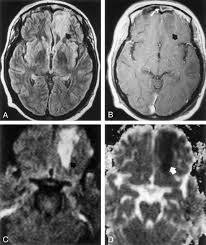
Cerebritis is inflammation of the brain tissue that occurs mainly due to bacterial or fungal infections. It usually develops when harmful microorganisms invade the brain, often spreading from infections in other parts of the body. Common reasons include:

Bacterial infections like Streptococcus or Staphylococcus

Fungal infections (more common in immunocompromised patients)

Untreated meningitis that spreads to brain tissue

Head trauma or penetrating injuries allowing germs to enter

Bloodstream infections (hematogenous spread) carrying pathogens to the brain

How Cerebritis Happens?

When infectious microorganisms reach the brain, they trigger the body’s immune response. This leads to:

1. Inflammation of brain tissue – white blood cells rush to the infected area.

2. Formation of small inflammatory cell collections – an early sign of brain abscess.

3. Progression to abscess – if untreated, cerebritis can turn into a pus-filled pocket, which can damage brain cells.

This condition can progress quickly and must be treated urgently to prevent complications like seizures, neurological damage, or even death.

Diseases Caused by Cerebritis

Cerebritis itself is a disease but may lead to or be linked with other brain-related issues such as:

Brain abscess (serious pus-filled infection)

Meningitis complications

Seizures and epilepsy

Neurological deficits like weakness, confusion, or speech problems

Age and Health Conditions at Risk

Certain groups are more vulnerable to cerebritis, including:

Children and elderly people – weaker immune systems make them more susceptible.

Immunocompromised patients – e.g., HIV/AIDS, chemotherapy patients, organ transplant recipients.

People with chronic infections – sinusitis, ear infections, dental abscesses that are untreated.

Patients with uncontrolled diabetes – higher risk of fungal infections.

Individuals with recent brain injury or surgery – open pathway for bacteria.

Sources to Recover from Cerebritis

Early treatment is crucial. The recovery plan usually includes:

High-dose intravenous antibiotics or antifungals – chosen based on the cause.

Drainage of abscess (if present) – through surgery or aspiration.

Anti-seizure medications – to control seizures if they occur.

Supportive care – fluids, nutrition, and monitoring in hospital settings.

Rehabilitation therapy – for patients with lasting neurological issues.

Natural sources for supportive recovery:

turmeric (Curcumin): Has strong anti-inflammatory properties that may help reduce swelling.

Garlic: Known for antibacterial and antifungal effects, it supports immune defense.

Ginger tea: Helps fight inflammation and boosts circulation.

Omega-3 fatty acids: Found in walnuts, chia seeds, and fish oil — support brain healing.

Vitamin C-rich foods: Oranges, kiwi, and berries improve immune function.

Probiotics: Yogurt, kefir, or fermented foods help balance gut bacteria and boost immunity.

Hydration: Drinking plenty of water supports detoxification and brain health.

Tips to Prevent Cerebritis

While cerebritis cannot always be prevented, you can reduce the risk by:

Treating infections early – sinus, ear, dental, and skin infections should not be ignored.

Boosting immunity – with a balanced diet, enough sleep, and vaccinations.

Managing chronic diseases – keep diabetes and other conditions under control.

Protecting the head from injuries – use helmets and practice safety.

Seeking prompt medical help – if experiencing persistent fever, severe headache, or neurological symptoms.

Cerebritis is a life-threatening condition but early diagnosis and aggressive treatment can save lives and prevent long-term brain damage. Stay alert to symptoms and take preventive steps to protect your brain health.

CategoriesUncategorized

Diabetic Peripheral Neuropathy by Nutritionist Beenish Siddiqui

Definition:
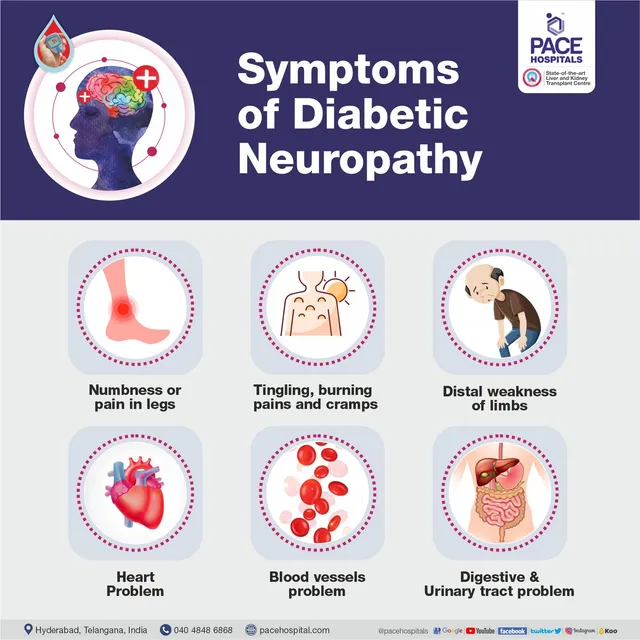
It is nerve damage caused by prolonged high blood sugar levels in people with diabetes. It primarily affects peripheral nerves, causing pain, numbness, or weakness, especially in the feet and hands.

Diet Plan for Diabetic Neuropathy:

  • Breakfast: Whole wheat flour, Omelet, Milk tea, Porridge.
  • Lunch: Roast mutton, Black chickpeas and Capsicum curry and salad ( of mint    and onion ).
  • Dinner: Fish curry, Lentils, Pumpkin, Radish pods with salad ( of beetroot or          carrot ).
  • Fruits: 1 piece of ( Muskmelon/ oranges/ Apricot ).
  • Drinks: Grape juice, Goat milk, Mulberry juice.

Triggers of Diabetic Neuropathy Symptoms:

  • Poor blood sugar control (high blood sugar spikes).

  • Smoking (damages blood vessels, reducing nerve oxygen).

  • Excessive alcohol consumption.

  • Exposure to cold or injury to the affected area.

  • Prolonged pressure on nerves (tight shoes, repetitive motion).

Daily Exercise Recommendations:

  • Aim for at least 30 minutes/day: Moderate-intensity aerobic activities like walking, swimming, or cycling.

  • Include strength training: 2-3 times a week to maintain muscle mass.

  • Balance and flexibility exercises: Yoga or stretching to reduce fall risk and improve nerve function.

  • Always check your feet before and after exercise to avoid injuries.

CategoriesUncategorized

Migraine by Nutritionist Beenish Siddiqui

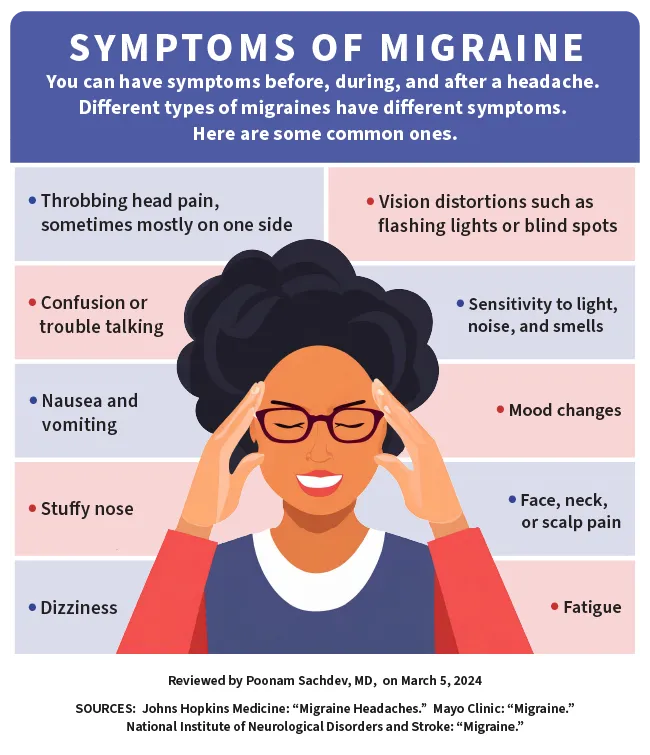
Migraine is a serious neurological condition. It is caused by complex events occurring in the brain, including dilation of blood vessels.

A natural approach focusing on an Organic Diet can be a powerful way to manage and prevent it.

General Guidelines:

  • Eat meals at regular times (skipping meals can trigger migraines).

  • Stay hydrated (at least 8–10 glasses of water daily).

  • Prefer organic, fresh and seasonal foods.

  • Include magnesium, riboflavin (B2), and omega-3 rich foods.

  • Limit strong triggers: chocolate, citrus, aged cheeses, processed foods, and caffeine.

Diet Plan:

  • Breakfast: Oats ( 1 small bowl ), One toast and milk / One paratha of whole wheat flour, omelet, one cup of milk, tea or yoghurt.
  • Lunch: Chicken ( not oily ), vegetable or lentil curry with 2 chapati and salad ( of onion and mint or carrot ).
  • Dinner: Fish curry, capsicum and lentil curry, Roast mutton and Salad ( of beetroot ).
  • Juices: Grape juice, Goat milk, Honey in water.
  • Fruits: Lime, Dates, Apricot, Pumpkin, Mango.

    Dietary Triggers

    • Caffeine (too much or sudden withdrawal)

    • Alcohol, especially red wine

    • Aged cheeses (high in tyramine)

    • Processed meats (nitrates/nitrites)

    • Monosodium glutamate (MSG)

    • Artificial sweeteners (aspartame)

    • Chocolate

    • Skipping meals or fasting

    • Excess salty or highly processed foods

By reducing inflammation, identifying and eliminating triggers, and nourishing your body with nutrient-rich foods, you can significantly reduce the frequency and severity of migraine attacks.

CategoriesUncategorized

Why Protein is a Key Nutrient in Your Weight Loss Journey by nutritionist Laiba Imran

Why Protein is a Key Nutrient in Your Weight Loss Journey

If you’re trying to lose weight, you’ve probably heard about cutting calories, exercising more, or avoiding certain foods. But there’s one nutrient that doesn’t get nearly enough attention in weight loss conversations: protein.

As a nutritionist, I like to remind my clients that weight loss isn’t just about losing “pounds” — it’s about making sure that the pounds you lose are mostly fat and not valuable muscle. And this is exactly where protein plays a powerful role.

Why Protein Matters During Weight Loss

When you lose weight, it’s not just fat that comes off. Your body can also break down muscle tissue for energy, especially if you’re not eating enough protein. Studies show that anywhere from 11% to 50% of muscle mass can be lost during weight loss if protein intake is too low.

Losing muscle is not ideal because:

  • Muscle burns calories even at rest. Less muscle means a slower metabolism, which can make it harder to maintain weight loss.

  • Muscle keeps you strong. Everyday tasks — climbing stairs, lifting groceries, exercising — all become easier with healthy muscle mass.

  • Muscle supports healthy aging. Preserving it now means better mobility, balance, and independence later in life.

This is why protein isn’t just a “diet trend” — it’s a cornerstone of healthy, sustainable weight loss.

How Protein Helps in Your Weight Loss Journey

  1. Preserves muscle mass – Protein provides the building blocks (amino acids) your body needs to maintain muscle while you burn fat.

  2. Keeps you fuller for longer – High-protein meals slow digestion and stabilize blood sugar, reducing cravings and overeating.

  3. Boosts calorie burn – Protein has a higher “thermic effect,” meaning your body burns more calories digesting protein than carbs or fat.

  4. Supports recovery – If you’re exercising, protein helps repair and rebuild your muscles so you can get stronger.

How Much Protein Do You Need?

Protein needs vary depending on your age, sex, weight, activity level, and health goals. For weight loss, research often suggests aiming for 25–30 grams of protein per meal.

Here’s a simple way to estimate:

  • Palm of your hand = about 3 oz of lean meat, giving 17–26 g protein

  • Your fist = about 1 cup of beans/lentils, giving 8–12 g protein

  • Two thumbs = about ¼ cup nuts or seeds, giving 7–9 g protein

Protein-Rich Foods to Include

  • Animal sources: chicken, turkey, lean beef, fish (salmon, tuna, trout), eggs, Greek yogurt, cottage cheese, low-fat milk.

  • Plant sources: lentils, beans, chickpeas, tofu, tempeh, quinoa, edamame, nuts, and seeds.

 Pro tip: Combining plant-based proteins (like beans + rice, or hummus + whole grain pita) helps ensure you get all the essential amino acids your body needs.

Practical Ways to Add Protein Daily

  • Start your morning with eggs, Greek yogurt, or a smoothie with protein powder.

  • Add beans, lentils, or chickpeas to salads, soups, or wraps.

  • Keep nuts, roasted chickpeas, or protein bars handy for snacks.

  • Use lean proteins like chicken, fish, or tofu as the centerpiece of lunch and dinner.

  • If you’re on the go, consider a high-quality protein shake — but remember, whole foods should come first whenever possible.

  • Other Tips to Support Your Journey
  • Balance your plate: Make half your plate vegetables and fruits, a quarter lean protein, and a quarter whole grains.

  • Don’t forget fiber: High-fiber foods like vegetables, fruits, and whole grains help control hunger and improve digestion.

  • Stay hydrated: Water is essential for metabolism, digestion, and appetite control.

  • Spice it up: Herbs and spices not only boost flavor but can also add antioxidants and anti-inflammatory benefits.

  • Consistency matters: Eating protein at every meal and snack is more effective than loading it all into one meal.

CategoriesUncategorized

Where Does Fat Disappear to When You Lose Weight? by nutritionist Laiba Imran

Fat leaves your body in several different ways:

  • As water, through your skin (when you sweat) and through your kidneys (when you pee)
  • As carbon dioxide (CO2and water, through your lungs (when you breathe out)

If you really want to understand where fat goes when you lose weight, it helps to know that our bodies are designed to store excess energy.

“We store energy in our liver and muscles, in the form of carbs and fat cells, Those fat cells are largely composed of hydrogen, carbon and oxygen. The energy we get from fat cells lives in the bonds between these molecules.”

When we “burn fat,” what we’re actually doing is using the oxygen we breathe in — and some of the many hormone our body naturally produces — to kick off a series of complicated chemical processes. We metabolize fat by breaking the bonds between the hydrogen, carbon and oxygen that make up a fat cell, setting the stored-up energy free.

“Breaking down fat liberates energy for all sorts of biological functions and physical activity, It also generates heat, which keeps your body temperature normal.”

How else does your body use all that energy? In more ways than you might think:

  • When you’re resting. Your heart needs energy to pump, your lungs need it to breathe and your brain needs it to think.
  • When you’re active. Your muscles need energy, whether you’re only getting up from a chair or running.
  • When you’re eating. Your digestive system needs energy to break down and store food. It needs a bit more energy to break down protein.

When the fat-burning process is complete, you’re left with cellular waste in the form of water (H2O) and carbon dioxide (CO2). These byproducts of fat metabolism then leave your body as carbon dioxide and water.

This process is happening all the time, without us having to think about it. We lose weight by (safely) limiting the energy we take in and speeding up the fat-burning process.

Body fat and diet

One way we limit the energy we take in is by adjusting our eating habits. When you take in fewer calories than you burn in a day , your body turns to its fat reserves — in the form of triglycerides— for energy.

“The extra energy, the triglycerides, are stored in adipose tissue all around your body,”

If you have overweight or obese,  it means you’re taking in more energy, in the form of calories, than you’re burning. To change that, you have to adjust the amount you’re taking in by changing your eating habits.

To permanently shed weight,  you have to up your physical activity levels, too.

“Data consistently shows nutrition is weight loss royalty, but for weight maintenance, physical activity wears a crown as well, It’s usually best to engage in physical activity during weight loss as well, in order to minimize muscle loss.

Body fat and exercise

Exercise speeds up the fat-burning process because it pushes you to take more frequent, deeper breaths — and you need oxygen to burn fat. When your respiratory rate goes up, it also helps more carbon dioxide (one of the two byproducts of fat metabolism) to leave your body.

And in case you’re wondering: No, you can’t lose weight just by breathing really hard and fast. That’s called hyperventilation. You want more carbon dioxide to leave your body. But hyperventilation reduces the concentration in your blood way too fast. The result is a wide range of unpleasant symptoms, including — if it continues long enough — a fainting spell.

  • Trading sitting for light activities throughout the day. Think taking business calls while walking or alternating between sitting and standing with an adjustable desk.
  • Spending 150-300 minutes a week exercising. A blend of cardiovascular exercise and resistance training is your best bet because, combined, they increase both your rate of oxygen use (muscle activity) and your capacity for oxygen use (muscle mass).
  • Including resistance training. Weightlifting and other types of resistance training help you burn more calories and raise your basal metabolic rate.
  • Using a pedometer to track your steps. “Taking 8,000 or more steps most days of the week is an excellent way to get physical activity throughout the day without consciously exercising,”

When you exercise, your muscles start by mainly burning through stored glycogen for energy.

“After about 30 to 60 minutes of aerobic exercise, your body starts burning mainly fat,”  (If you’re exercising moderately, this takes about an hour.)

If all that exercise feels out of reach for you, start slow and build your way up. Every minute you spend being physically active counts! Trust the process

“Food and physical activity are both key to weight loss and maintenance, Generally, people who successfully lose weight and keep it off eat a low-calorie, plant-rich diet and are physically active throughout the day.”

The process of losing weight may be the same for all of us physiologically. But that doesn’t mean it always looks the same. It may take more time to move the number on your scale than you expect.

Everyone’s body responds a bit differently to food and physical activity changes. Some lose weight immediately, which is wonderful, if you don’t too much too fast. Others maintain their starting weight for a while. And, yes, some of us actually gain a few..

It can be disheartening to be in that third group. But try to be patient. That weight gain is temporary. All that hard work you’re doing is still improving your health. It’s just going to take a bit longer to see those benefits in the mirror.

CategoriesUncategorized

Why Do People Become Overweight or Obese?

Why Do People Become Overweight or Obese? by nutritionist Laiba Imran

Gaining extra weight usually happens slowly over time. The main reason is simple: when we eat more calories than our body needs, the extra is stored as fat. This is what we call an energy imbalance.

Our body uses food for two main purposes:

  • Fuel for now – to help us breathe, move, think, and do daily activities.

  • Fuel for later – stored as glycogen (from sugars) in the liver and muscles, and as fat (triglycerides) in fat tissue.

When we keep taking in more than we burn, the “storage tank” fills up, leading to overweight and eventually obesity. But it’s not just about eating too much — many other things like sleep, stress, medical issues, or even where you live play a role too.

What Increases the Risk?

  • Not moving enough
    Sitting for long hours at work, in front of the TV, or on the phone makes it easy to gain weight. Adults need around 150 minutes of exercise a week (like brisk walking, cycling, or swimming), and kids need at least an hour a day.

  • Unhealthy eating habits

Eating more calories than your body can burn.

Diets high in fried foods, processed snacks, sugary drinks, or desserts.

Too much saturated fat (like from fast food or butter).

Too much added sugar (like sodas, candies, or sweetened coffee/tea).

  • Poor sleep
    If you sleep less than 7 hours most nights, your hunger hormones get out of balance. This can make you feel hungrier and crave more junk food.

  • Stress
    Stress raises the hormone cortisol, which can make your body store more fat and increase cravings for high-calorie foods.

  • Health conditions
    Issues like PCOS (polycystic ovary syndrome) or metabolic syndrome can make it harder to control weight.

  • Family history and genetics
    Some people naturally gain weight more easily because of their genes. But lifestyle choices — eating better, being active, managing sleep and stress — still make a big difference.

  • Medications
    Certain medicines can lead to weight gain, such as:

Antidepressants

Antipsychotics

Some blood pressure medicines (beta-blockers)

Birth control pills

Steroids (glucocorticoids)

Insulin for diabetes
If this happens, talk to your doctor about alternatives.

Your environment
Where you live matters. It’s easier to stay healthy if you have parks, sidewalks, and grocery stores nearby. But if your neighborhood has mostly fast food outlets and no safe spaces to walk or play, it’s harder to make healthy choices.

CategoriesUncategorized

Hungtington’s chorea by ushna fatima

🧠✨ Huntington’s Disease: The Silent Inheritance

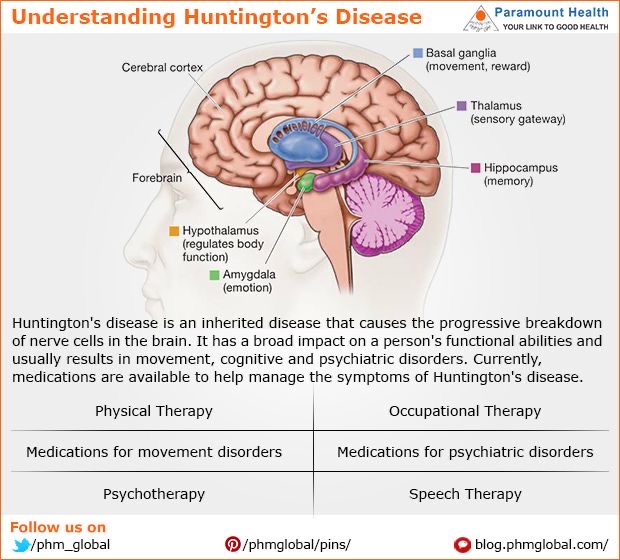
Huntington’s disease is not just about the jerky, dance-like movements (chorea) people often notice. It’s a genetic brain disorder that slowly changes the way a person moves, thinks, and feels.

📌 If one parent carries the faulty gene, their child has a 50% chance of inheriting it. Symptoms usually appear between the ages of 30–50, a time when many are raising families, building careers, and chasing dreams.

⚠️ What it looks like:

  • Uncontrollable movements (chorea)
  • Trouble with balance and coordination
  • Memory loss and difficulty concentrating
  • Emotional challenges like anxiety, depression, or irritability

💔 There is no cure yet — but support, therapy, and treatment can help improve quality of life. Families, caregivers, and communities play a powerful role in making the journey less isolating.

🌍 Awareness matters. Every movement, every symptom, every story deserves understanding and compassion. Let’s replace judgment with empathy and stigma with support.


CategoriesUncategorized

Anemia by Nutritionist ArishbaYasir

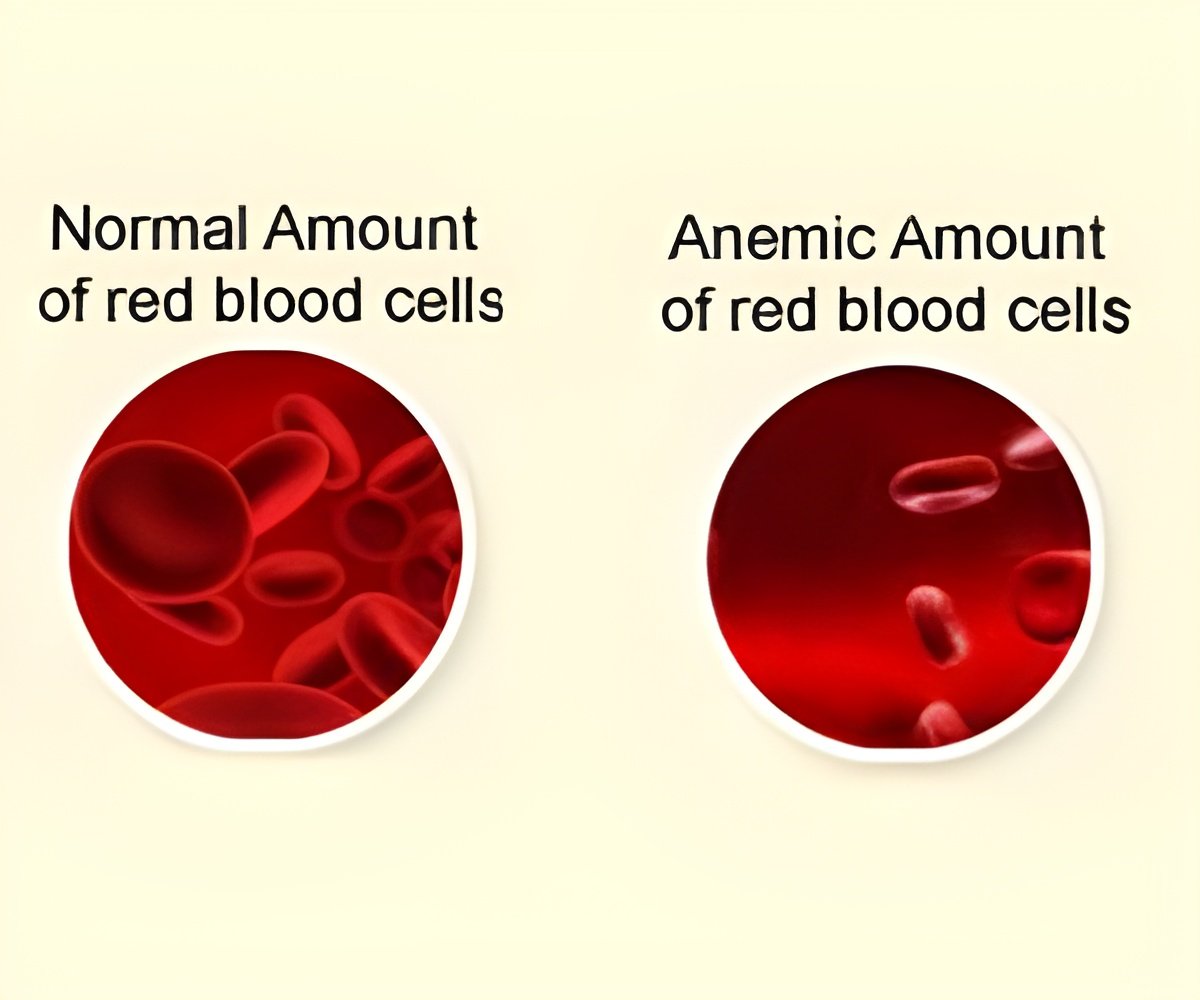
Anemia is a widespread health concern that occurs when the body does not have enough healthy red blood cells to carry oxygen effectively. The most common type is iron-deficiency anemia, often caused by poor diet, blood loss, or increased nutritional needs. Other causes may include deficiencies in vitamin B12 and folate. Common symptoms include tiredness, pale skin, weakness, dizziness, and shortness of breath.

As a nutritionist I believe , diet plays a central role in both prevention and management. Including iron-rich foods such as lean meats beans, lentils, spinach, and fortified cereals is essential. Pairing these with vitamin C–rich foods, like citrus fruits or tomatoes, greatly enhances iron absorption. For vegetarians, pulses, nuts, and dark leafy greens provide excellent alternatives.

A balanced diet, routine checkups, and timely treatment can help reduce anemia risk and promote overall well-being.

— By Nutritionist Arishba

CategoriesUncategorized

The Memory Epidemic by Nutritionist Zainab Zainulabedin

Memory loss is increasingly prevalent among younger generations. Diet, nutrition, and psychological well-being play a significant role in cognitive health. A balanced diet rich in omega-3s, antioxidants, and vitamins supports brain health, while processed foods, sugar, and unhealthy fats can negatively impact memory. Stress, anxiety, and depression can also impair cognitive function. Regular exercise, sufficient sleep, and mentally stimulating activities can support brain health. By prioritizing brain health and making informed choices, individuals can reduce the risk of memory loss and build a stronger, more resilient brain. Nutrition and psychology are key to maintaining cognitive function. Taking proactive steps can support brain health and overall well-being. A healthy lifestyle can have a positive impact on memory and cognitive function. By focusing on brain health, we can build a healthier brain.