Categoriesblogs

Hypochondriasis(disorder) by Nutritionist Hina Fatima


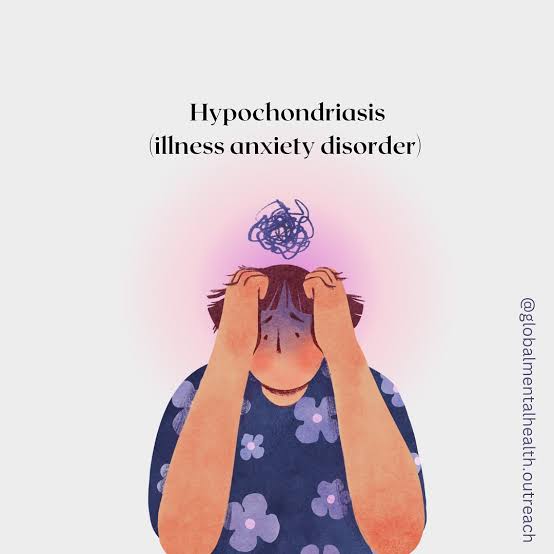
Hypochondriasis, now often referred to as Illness Anxiety Disorder, is a mental health condition where individuals excessively worry about having a serious illness despite medical reassurance. These fears can significantly impact daily life, causing anxiety, avoidance behaviors, and frequent doctor visits.

Common symptoms include:
– Persistent fear of illness despite negative test results

– Excessive health-related research
– Avoidance of situations due to health fears
– Intrusive thoughts about illness

If you or someone you know is struggling with hypochondriasis, seeking professional help is crucial. Therapies like cognitive-behavioral therapy (CBT) and stress management techniques can help alleviate symptoms.

Hope for Recovery:
Hypochondriasis is treatable. By acknowledging the condition and seeking support, individuals can learn to manage their fears and improve their quality of life. If you’re struggling with health anxiety, don’t hesitate to reach out to a mental health professional for guidance and support.

Nutritional tips for hypochondriasis: 1. Hydrate with water
2. Eat whole foods (fruits, veggies, whole grains, lean proteins)
3. Include omega-3s (salmon, walnuts, chia seeds)
4. Complex carbs (whole grains, fruits, veggies)
5. Limit caffeine
6. Add magnesium-rich foods (dark greens, nuts, seeds)
7. Support gut health with probiotics (yogurt, kefir)
 

Categoriesblogs

Understanding Lumbago by Nutritionist Areeba Khan

Lumbago (Lower Back Pain) – Causes, Care, and Nutrition

Understanding Lumbago

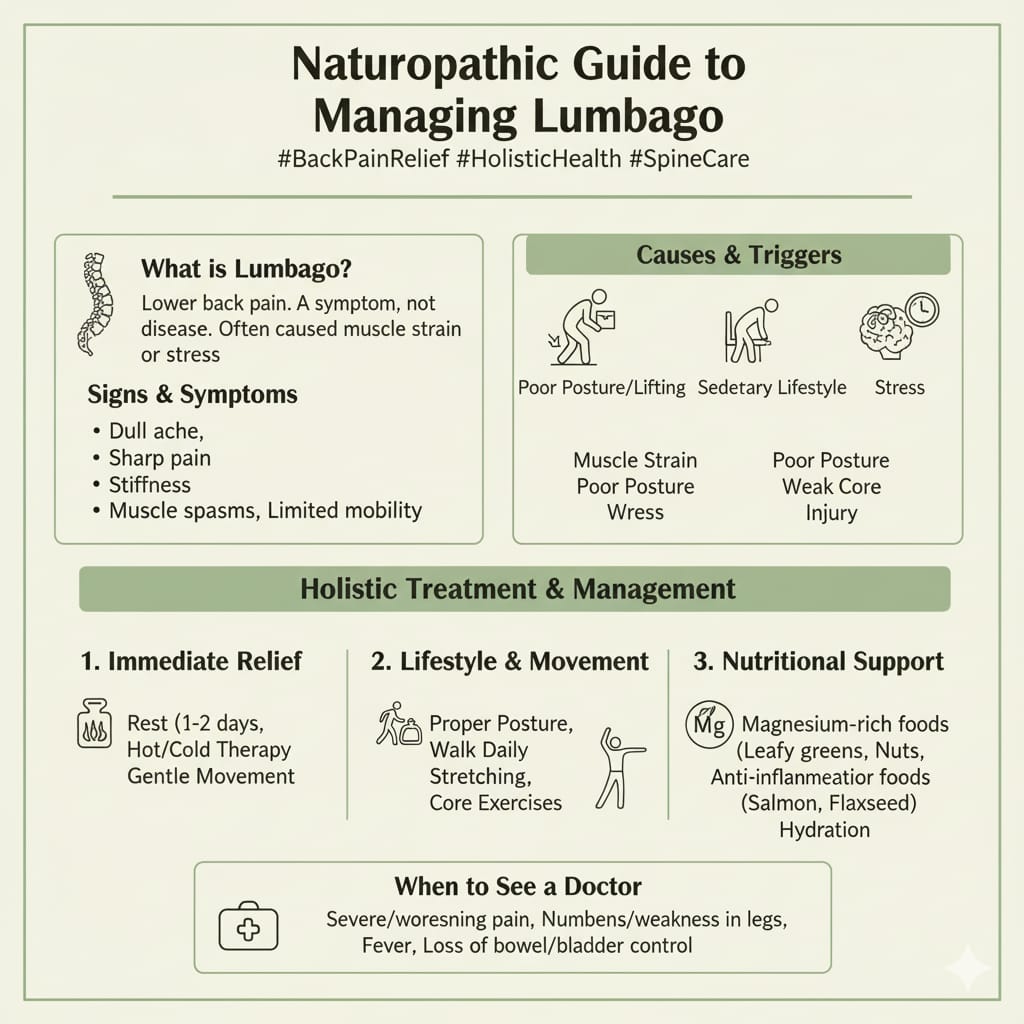
Lumbago is the medical term for lower back pain, one of the most common health issues worldwide. It is not a disease itself but rather a symptom that can arise from various underlying conditions. The pain may range from mild discomfort to severe, disabling pain that limits daily activities.

Common Causes

  • Poor posture and prolonged sitting
  • Lifting heavy weights incorrectly
  • Muscle or ligament strain
  • Age-related degeneration of bones and joints
  • Obesity and lack of exercise
  • Stress and psychological factors

Symptoms to Watch For

  • Aching or stabbing pain in the lower back
  • Pain radiating to hips or legs
  • Difficulty standing, bending, or walking
  • Muscle stiffness and reduced flexibility


Lifestyle & Self-Care Tips

Just like naturopathic approaches for IBS, lumbago also requires a holistic management plan:

Posture correction: Always sit with your back straight and shoulders relaxed.

Exercise: Gentle stretching, yoga, and core strengthening reduce stiffness.

Rest balance: Avoid complete bed rest—stay active with mild activities.

Stress management: Practices like mindfulness and deep breathing ease muscle tension.

Sleep hygiene: A supportive mattress and proper sleeping position prevent strain.

Nutritional Recommendations for Lumbago

1. Magnesium for Muscle Relaxation

Helps release muscle tension and prevent spasms.

Sources: Spinach, bananas, almonds, avocados, pumpkin seeds.

2. Calcium & Vitamin D for Strong Bones

Support bone density and reduce risk of osteoporosis-related back pain.

Sources: Milk, yogurt, cheese, fortified cereals, sunlight, salmon.

3. Anti-Inflammatory Foods

Reduce swelling and discomfort in muscles and joints.

Sources: Fatty fish (tuna, mackerel, salmon), olive oil, walnuts, flaxseeds, turmeric, ginger.

4. Protein for Muscle Repair

Strengthens muscles and supports recovery from injury.

Sources: Eggs, lean chicken, legumes, soy products.

5. Hydration & Fiber

Prevent constipation (which increases abdominal pressure and back strain).

Sources: Fresh fruits, vegetables, whole grains, and water.

When to See a Doctor

Seek medical advice if:

  • Pain persists beyond a few weeks
  • Pain radiates to legs or causes numbness
  • There is unexplained weight loss or fever along with pain

Final Thoughts

Lumbago can affect anyone, but the good news is that it’s highly manageable with the right lifestyle choices and nutrition. Combining medical guidance with a balanced diet, regular exercise, stress management, and mindful living can help reduce pain and prevent recurrence.

Categoriesblogs

Sciatica Pain by Nutritionist Nisma Tahir

Imagine waking up every morning with a sharp pain shooting down your leg, making everyday activities a challenge!

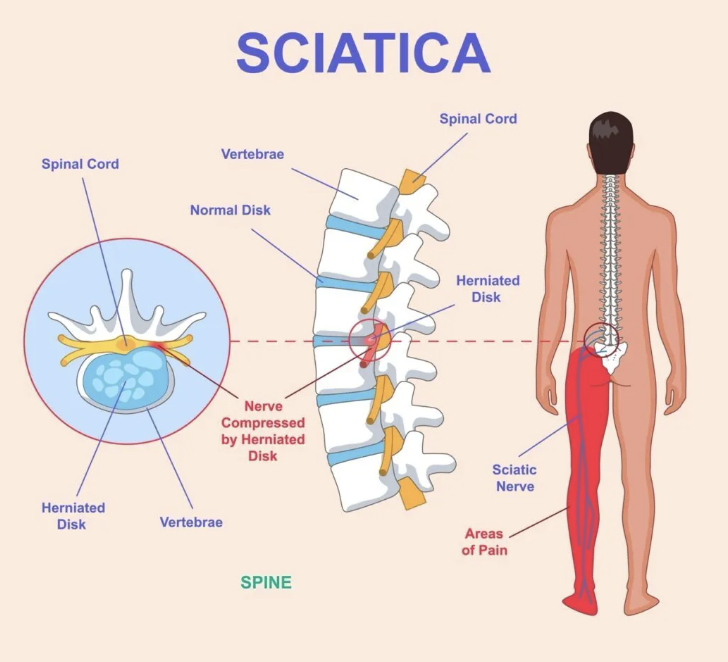
Sciatica pain can be a real game-changer in your daily life, it’s a condition that can deeply affect daily life. It occurs when the sciatic nerve, the longest nerve in the body, becomes irritated or compressed. This nerve runs from the lower back through the hips and down each leg, which is why people with sciatica often feel sharp, burning, or radiating pain along one side of the body. In some cases, it may also cause numbness, tingling, or muscle weakness.

The culprits behind sciatica are often herniated discs, spinal stenosis, or bone spurs that put pressure on the nerve. And if you’re someone who spends a lot of time sitting, lifting heavy objects, or carrying extra weight, you’re more likely to experience sciatica flare-ups.
Fortunately, most cases of sciatica can be managed with self-care and non-surgical treatments. Gentle stretching and physical therapy can work wonders in relieving pain and improving mobility. Applying hot and cold packs can also help reduce inflammation and ease discomfort. Over-the-counter pain relievers can provide temporary relief, but it’s essential to use them wisely and under medical guidance.
To prevent sciatica from coming back, it’s crucial to maintain good posture, strengthen your core muscles, and stay active with regular exercise. This can include activities like yoga, walking, or swimming, which are gentle on your back and can help improve your overall flexibility and strength.
However, if your symptoms persist or worsen, it’s essential to seek medical attention. Your doctor may recommend advanced treatments like steroid injections or surgery, depending on the underlying cause of your sciatica.
By taking control of your sciatica and adopting healthy habits, you can effectively manage your pain and improve your quality of life. It’s all about finding the right balance between rest, exercise, and self-care, and being mindful of your body’s limitations. With the right approach, you can reduce your sciatica pain and get back to living life to the fullest.
Categoriesblogs

Living with Myasthenia Gravis: Easy Guide to Symptoms & Treatment by Dietitian AMNA MUHAMMAD YOUSUF

Introduction

  • Myasthenia Gravis can be confusing.
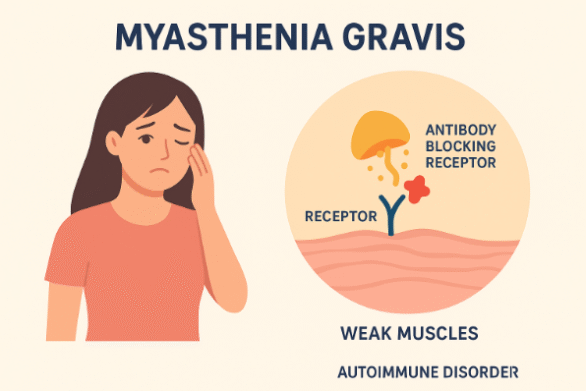
  • Myasthenia gravis is a rare autoimmune disease that causes muscle weakness by interrupting the signaling between your nerves and muscle.

In this post you will find:

  • What Myasthenia Gravis is?
  • What causes myasthenia gravis and potential triggers or factors for worsening?
  • Key signs and symptoms to know or be aware of?
  • How myasthenia gravis is diagnosed and treated?
  • Some simple ideas for living well when you have myasthenia gravis?

1. What is Myasthenia Gravis?

  • Myasthenia Gravis is a long-standing condition in which the immune system interferes with the communication between the nerves and the muscles.
  • You can use an analogy about Wi-Fi, with the brain signal being weak or intermittent, causing the muscles to be tired and weak.

2. Causes of Myasthenia Gravis

The specific cause of MG is not always identified, but the most common causes are:

  • Immune system attack — the body produces antibodies that block muscle receptors (acetylcholine receptors).

The specific cause of MG is not always identified, but the most common causes are:

  • Issues with the thymus — usually enlarged or have tumors (thymomas).
  • Role of inheritance — It can run in families but is rarely inherited.
  • Common triggers — stress, infections, heat, fatigue, and some medications (antibiotics, beta-blockers, magnesium).

3. Signs and Symptoms of Myasthenia Gravis

Symptoms are highly variable, but muscle weakness is the primary characteristic and worsens with activity and improves after rest.

Common Symptoms:

  • Eyes – Drooping eyelids (ptosis); double vision (diplopia).
  • Face & mouth – Weak smile; difficulty chewing or speaking clearly.
  • Swallowing – Trouble eating or choking on food.
  • Muscles – Weakness in arms, legs, or neck (especially after activity).
  • Breathing – Shortness of breath (with potential to progress to myasthenic crisis, an emergency).

4. How is Myasthenia Gravis Diagnosed?

Doctors use testing methods to confirm MG:

  • Physical exam and checking for muscle fatigue issues.
  • Blood testing – detects the antibodies associated with MG.
  • Electromyography (called EMG) – tests how a nerve communicates with a muscle.
  • CT or MRI testing for thymus gland abnormalities.

5. Myasthenia Gravis Treatment

While there’s currently no available cure, treatments can help alleviate symptoms so patients can lead a full life.

1. Medications:

  • Pyridostigmine – Enhances communication between nerve endings and muscles.
  • Steroids (such as prednisone) – Decreases the immune system’s attack.
  • Immunosuppressants – Regulates the immune system.

2. Surgical Procedures:

  • Thymectomy – Removal of the thymus gland may lessen symptoms in many cases.

3. Advanced Treatment (for severe cases):

  • Plasmapheresis – Removes harmful antibodies from blood supply.
  • Intravenous immunoglobulin (IV IG) – Provides “good” antibodies to body.

4. Everyday-advice:

  • Rest several times throughout day between activities.
  • Eat smaller, softer meals if easier to swallow.
  • Use eye patch if double vision present.
  • Avoid extreme heat, stress, infections.
  • Keep in touch with support groups.

6. Life with Myasthenia Gravis

The bright side? Many people with MG lead a normal, active life. With proper treatment, healthy habits, and support from family and friends, MG does not have to interfere with your enjoyment of life.

7. FAQs About Myasthenia Gravis

1. Can you cure Myasthenia Gravis?
Not at this time, but you can manage the symptoms with treatment.

2. Who gets Myasthenia Gravis?
Myasthenia gravis can affect anyone. However, it is most common in women under 40 and men over 60.

3. Can I exercise?
Yes, gentle light activity should be fine. You do not want to push yourself to the detriment of your health.

4. What is a Myasthenic Crisis?
This refers to the respiratory muscles being too weak to provide adequate ventilation, thereby causing marked shortness of breath. This situation qualifies as a medical emergency.

8. Key Takeaways:

  • Myasthenia Gravis is characterized by muscle weakness due to the ineffective communication that occurs between nerves and muscles.
  • Symptoms include droopy eyelids, double vision, difficulty swallowing, and problems with breathing.
  • Treatment options include medications, surgical procedures, and supportive therapies.
  • Although living with MG requires accommodations/different approaches, it is still possible to live active and fulfilling lives with proper treatment.

9. SAMPLE ONE-DAY MEAL PLAN

 Breakfast

  • Soft scrambled eggs with spinach (protein + iron)
  • 1 slice soft whole wheat bread with butter.
  • Banana smoothie (with milk/yogurt).

Mid-Morning Snack

  • Yogurt with mashed berries.
  • Soft oatmeal cookie.

Lunch

  • Soft cooked khichdi (rice + lentils) with vegetables.
  • Boneless fish or chicken cooked till tender.
  • Stewed apples or pears.

Evening Snack

  • Rice pudding (kheer) or custard.
  • Herbal tea (decaf if sensitive).

Dinner

  • Mashed sweet potato with soft lentils.
  • Steamed soft vegetables (zucchini, pumpkin, carrots).
  • Minced chicken or tofu curry (mildly spiced).

Bedtime Snack

  • Warm milk with turmeric or honey.
  • 2 soaked dates (easy to chew and energy-giving).

10. Foods to Limit/Avoid

  • Dry, crumbly foods (crackers, dry bread).
  • Tough meats (beef, mutton unless minced and well-cooked).
  • Sticky foods (peanut butter, chewy candies).
  • Excess caffeine (can worsen weakness).
  • Overly spicy or acidic foods (may irritate throat).

Final Thought: Myasthenia Gravis may be rare, but with the right care and awareness, people living with MG can lead strong, confident, and happy lives.


Categoriesblogs

Dyspnea By Nutritionist Qareena Jamal

Shortness of Breath: Why it happens & How to Deal

Did you ever felt that you need and can’t get a hold of your breath?

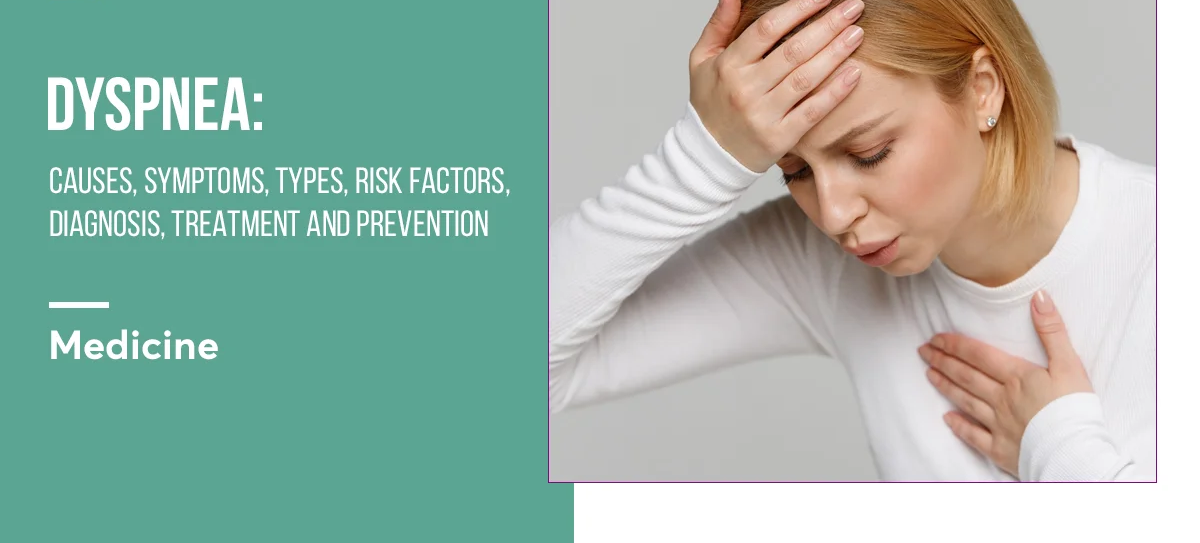
That condition has a name  dyspnea. It’s not a disease itself, but more like your body is signaling for help.

It depend on the individual and can be different for everyone. You might be sensing that your chest feels hard, and sometimes  you experience like you are short of breath , and you just can’t control it. It’s super upsetting. This a detailed conversation  in itself  and, more importantly, what a person can actually do about it.

REASON BEHIND IT: Basically, this happens when your body is requiring for more oxygen but your body can’t support it. The reasons for that can be multiple over the map, which is why it feels lie a good idea to talk about. Mostly Common reasons are:

  • The Heart Condition: If your heart isn’t pumping enough like it should (this maybe indicating heart failure), fluid can get stucked and filled up in your lungs, making your respiration process difficult . A heart attack or weird heart rhythm can do it too.
  • Lung Stuff: The obvious ones. The Asthma, is mostly common (that’s emphysema and bronchitis), pneumonia and  even a scary blood clot build up in the lung can block your air.

Other Things:

  • Anemia: Not enough red blood cells to carry oxygen around.
  • Just Being Out of Shape: Honestly, this is a big one.
  • Anxiety: this is a dangerous situation in itself if you don’t know how to manage it.. Stress or a panic attack can make you disturb and you can feel like you’re drowning, which is very tough to recover. 

When to Actually take action

  1. This is alarming. Get help right away if your shortness of breath.
  2. Comes on instantly and really bad.
  3. With feeling of chest pain, Dizziness , or feeling like you might pass out.
  4. If you see that your lips and finger nails are turning blueish .
  5. If it Doesn’t improve with your usual inhaler or meds.

Management  and Control

Dealing with this can be extremely tough and it is divided into two-part job: figuring out the cause with the help of a doctor, and then finding ways to feel better day-to-day.

  1. The Doctor Help:

In such situations You should visit a healthcare service near you to understand your situation. The treatment totally depends on what they will diagnose and on this basis the treatment will be started.

Can Food Make Your life Easier? (Dietary Advice)

What you eat actually plays a big role, The main reason you eat is  for health and to reduce anything that is making your  respiration worse.

    • Look for Smaller Meals: A large heavily filled stomach can press load to your lungs making your breathing process hard .Eat 5-6 smaller meals throughout the day in place of of 3 big meals .
    • FAT and Bloating : Choosing diet that do not promote bloating or gas is a good option these are the some food items you can avoid such as beans, fried foods, cabbages, onions, and most importantly carbonated beverages..
    • Salt / Sodium intake : excessive consumption of salt can push your body hold onto unnecessary fluid, which can worsen your situation if you have heart conditions . Try to eat home made food , avoid processed foods mostly fast food , and read labels of products before buying.
    • Blood Energy For Anemic patients : if you have been diagnosed with anemia and it’s a major reason ,then focus on iron-rich meals such as spinach, beans, red meat, watermelon , lentils, and fortified cereals. Eat them with vitamin C because it makes iron absorption easy ( a squeeze of lemon or some bell peppers can be good)
    • Hydration Level : Before this first get your fluid requirement checked. Normally Drinking 8 glass of water  daily helps keep the mucus in your airways thin and easy to clear. BUT , if you have a some sort of heart issue like CHF, your doctor might have specific fluid limits for you. Always listen .

The Bottom Line

The Feeling of breathless can be really worst, but you’re not helpless. By working with a doctor, using easy management tricks, and making some smart food choices, you can skip panicking and get back to feeling more in control.

Just a guide : This blog is just for awareness and info, not real medical advice. Everyone conditions and Symptoms are based on individual factors. Please talk to a doctor about your own health stuff. They’re the pros.

Categoriesblogs

PARAPLEGIA BY NUTRITIONIST IMAN SAMI UDDIN

  •                                                               PARAPLEGIA
    Paraplegia is a medical condition that involves partial or complete paralysis of the lower half of the body, usually resulting from injury or illness that affects the spinal cord. It is a life-changing condition, but with awareness, proper care, and support, individuals with paraplegia can live fulfilling and independent lives.
    What is paraplegia?

    Paraplegia refers to the loss of sensation and movement in the legs and lower parts of the body. Unlike quadriplegia, which involves four limbs, paraplegia only involves the lower part of the body. This paralysis results when the spinal cord or nerves in the thoracic, lumbar, or sacral areas are injured.

    Causes of Paraplegia

    Various conditions and incidents can result in paraplegia, including:
    . Spinal cord damage due to accidents, falls, or sports injuries.
    . Diseases like multiple sclerosis, cerebral palsy, or spina bifida.
    . Infections or tumors of the spinal cord.
    . Stroke or inadequate blood supply to spinal tissues.

    Difficulty Faced by Paraplegics

    Paraplegia poses physical as well as emotional challenges. Some common difficulties include:
    . Restricted mobility and dependence on wheelchairs or supportive devices.
    . Secondary conditions like pressure sores, urinary tract infections
    emotional impacts, such as loneliness, anxiety, or depression.

    Living Positively with Paraplegia

    Notwithstanding the difficulties, numerous individuals with paraplegia live successful, motivating lives. Improved medical care, rehabilitation, and technology make living independently more possible than ever. The most important strategies include:

    . Physical therapy to build up arm and chest muscles and increase flexibility.
    . Occupational therapy to adjust everyday activities and enhance independence.
    . Adaptive tools, such as tailored wheelchairs and smart-home equipment.
    . Peer support groups and counseling for emotional well-being.

Categoriesblogs

HEALTH AND FITNESS BY NUTRITIONIST MAHAM ARSHAD

Staying healthy and fit requires consistency in exercise and mindful eating. Regular workouts like walking, yoga, or strength training improve energy and reduce stress. A balanced diet is key—start your day with oatmeal and fruits, have a protein-rich lunch with lean meats or legumes, and enjoy a light dinner like grilled veggies and quinoa. Snack on nuts or yogurt. Stay hydrated and avoid processed foods. Prioritize sleep and manage stress for overall well-being. Remember, small, daily steps lead to long-term health. Listen to your body, stay active, and nourish it with wholesome foods for lasting fitness.

Categoriesblogs

Unlock the power of magnesium through transdermal absorption by Nutritionist Mahnoor khan

Magnesium is vital for muscle function, nerve health, and energy production. Deficiency often causes leg cramps, tingling, numbness, and pain. While oral supplements are common, they can cause gastric discomfort in sensitive individuals. An effective alternative is transdermal absorption of magnesium, either through foot soaks or oil massage, which bypasses the digestive system.


What is Transdermal Magnesium Absorption?

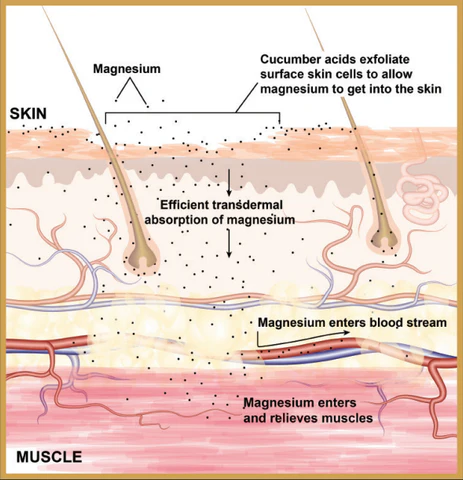
Transdermal absorption delivers magnesium directly through the skin into the bloodstream. Methods include magnesium foot soaks and magnesium oil massage, both of which provide a gentle and effective way to restore magnesium levels.


Why Use Transdermal Magnesium?

  • Avoids Gastric Upset – Ideal for people with sensitive digestion.

  • Targets Muscle Cramps & Tingling – Direct absorption relaxes nerves and muscles.

  • Quick & Convenient – No need for tablets or capsules.

  • Dual Benefits – Nourishes skin while improving mineral balance.


Method 1: Magnesium Foot Soaks

  1. Fill a tub with warm water.

  2. Add ½–1 cup of magnesium flakes (magnesium chloride) or Epsom salts.

  3. Soak feet for 20–30 minutes.

  4. Repeat 3–4 times weekly. Benefits: Relaxes muscles, improves circulation, reduces cramps, calms nerves.


Method 2: Magnesium Oil Massage (Best for Gastric-Sensitive People)

What is Magnesium Oil?
It’s a concentrated solution of magnesium chloride in water, giving an oily texture.

How to Use:

  1. Spray or rub magnesium oil directly on legs, calves, or feet.

  2. Massage gently for 5–10 minutes.

  3. Leave on for at least 20 minutes, then rinse (optional).

  4. Use daily or every other day for consistent results.

 Benefits:

  • Directly relieves leg cramps and tingling sensations.

  • Bypasses the digestive tract — safe for those with gastric issues.

  • Improves skin hydration and relaxation.

  • Can be applied before sleep to promote better rest.


Other Benefits of Transdermal Magnesium

  • Stress and anxiety reduction.

  • Improved sleep quality.

  • Support for bone, heart, and nerve health.

Precautions

  • May cause mild skin tingling at first (normal, usually fades).

  • Avoid use on broken or irritated skin.

  • People with kidney issues should consult a doctor.

Conclusion

For people struggling with leg cramps, tingling, or pain due to magnesium deficiency, transdermal absorption through foot soaks or magnesium oil massage is a safe, soothing, and effective natural remedy. It’s especially helpful for those who cannot tolerate oral magnesium due to gastric issues. With regular use, magnesium therapy restores comfort, relaxation, and overall well-being.

Categoriesblogs

chronic hydrocephalus Nutritionist Alishba Akhtar

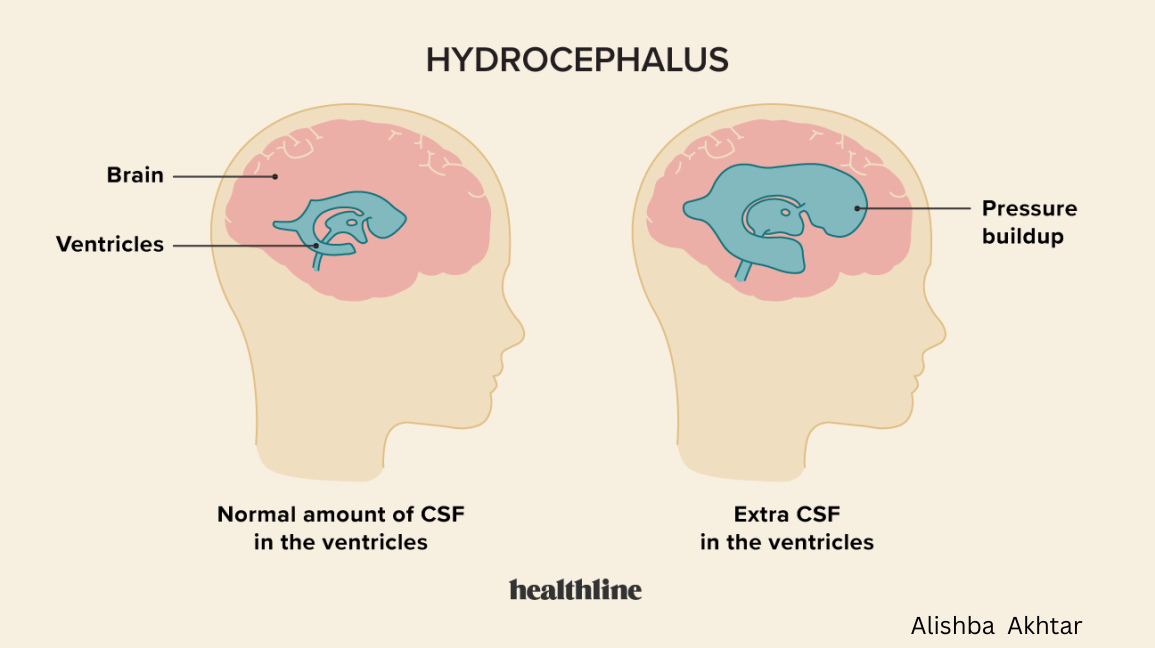
Chronic hydrocephalus is a long-term condition where excess cerebrospinal fluid builds up in the brain’s ventricles, causing pressure and potential brain damage. It can develop from birth (congenital) or result from injury, infection, or surgery. Common symptoms include headaches, balance issues, cognitive decline, and bladder problems. Diagnosis often involves imaging tests like MRI or CT scans. Treatment typically includes surgical placement of a shunt or endoscopic third ventriculostomy (ETV) to drain excess fluid. Regular monitoring and medical care are crucial. With early intervention and proper management, many individuals can lead fulfilling, independent lives despite the challenges of this condition.