- Office Hour : 09:00am - 6:00pm

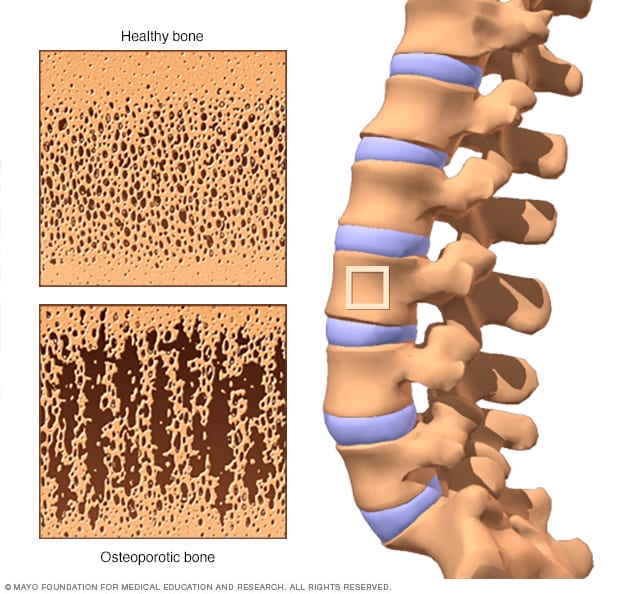
OSTEOPOROSIS
Osteoporosis is a condition where bones become weak and fragile, increasing the risk of fractures. It often develops silently and is most common in older adults, especially women. Nutrition plays a key role in both prevention and management of this disease.
Calcium and vitamin D are the two most important nutrients for strong bones. Dairy products, leafy green vegetables, almonds, and fortified foods are excellent sources of calcium. Vitamin D, obtained from sunlight, fish, and eggs, helps the body absorb calcium effectively.
Protein, magnesium, and vitamin K also support bone strength, while excess caffeine, soft drinks, and high salt intake can weaken bones. Maintaining a healthy weight, staying active with weight-bearing exercises, and eating balanced meals are essential strategies.
Good nutrition not only slows bone loss but also reduces fracture risk. A diet rich in bone-friendly nutrients truly builds a stronger foundation for lifelong health.
BY Nutritionist KANEEZ E SAKINA “Hormone on Hold: The Hypothyroid Story”
HYPOTHYRIODOSIM
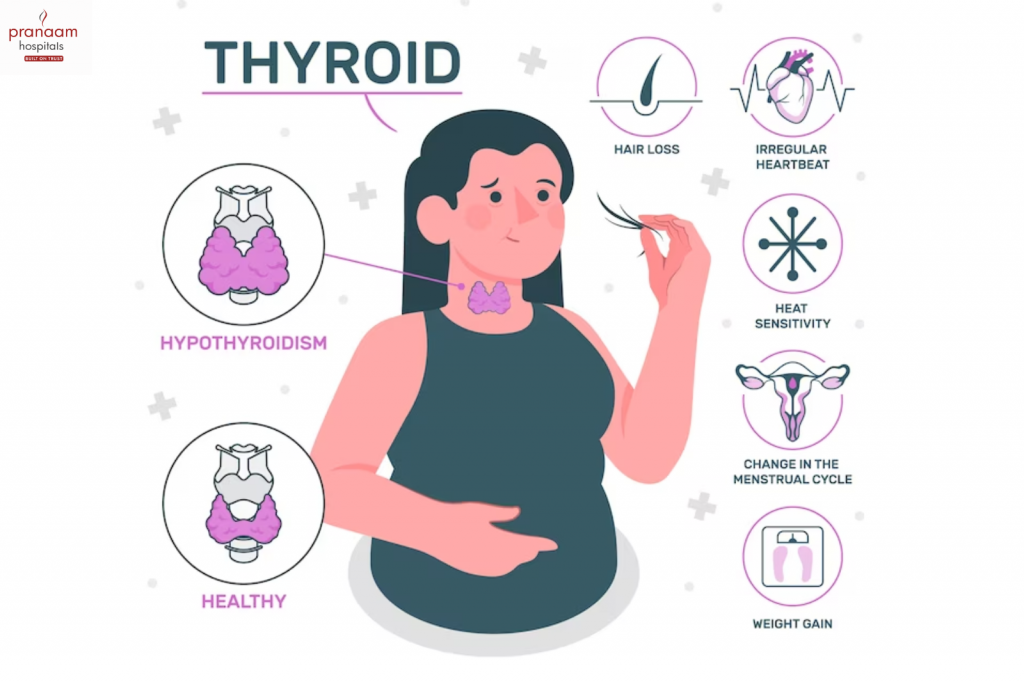
Hypothyroidism is a condition where your thyroid gland doesn’t produce enough hormones. These hormones T3 and T4 :
. Regulates your metabolism
. Maintain body temperature
. Support brain and heart function
. Influence weight, digestion, and mood
. Affect hair, skin, nail health.
Most common diseases of Hypothyroidism
- Hashimoto’s thyroiditis .. this is most commom
- Iodine deficiency
- Thyroid surgery
- Medications
- Pituitary gland problems
| System | Common Symptoms |
| Metabolism | Fatigue, weight gain, cold intolerance |
| Skin & Hair | Dry skin, thinning hair, brittle nails |
| Mental | Brain fog, depression, memory issues |
| Digestion | Constipation |
| Reproductive | Irregular or heavy periods, fertility issues |
| Heart | Slower heart rate |
| Muscles | Muscle weakness, joint pain |
. We can treat by Nutritional and Natural support
Iodine, Selenium ,zinc ,Vit D,B12
. Food sources
Iodized salt , fish
Brazil nuts ( 1-2/day) , egg
Beef , chickpeas, pumpkinseeds
Red meat , lentils , spinach
Sunlight , fatty fish , egg yolk
Nutritional yeast
Brain Compression by Alveena Urooj
The Importance of Brain Compression: Understanding the Concept and Its Application
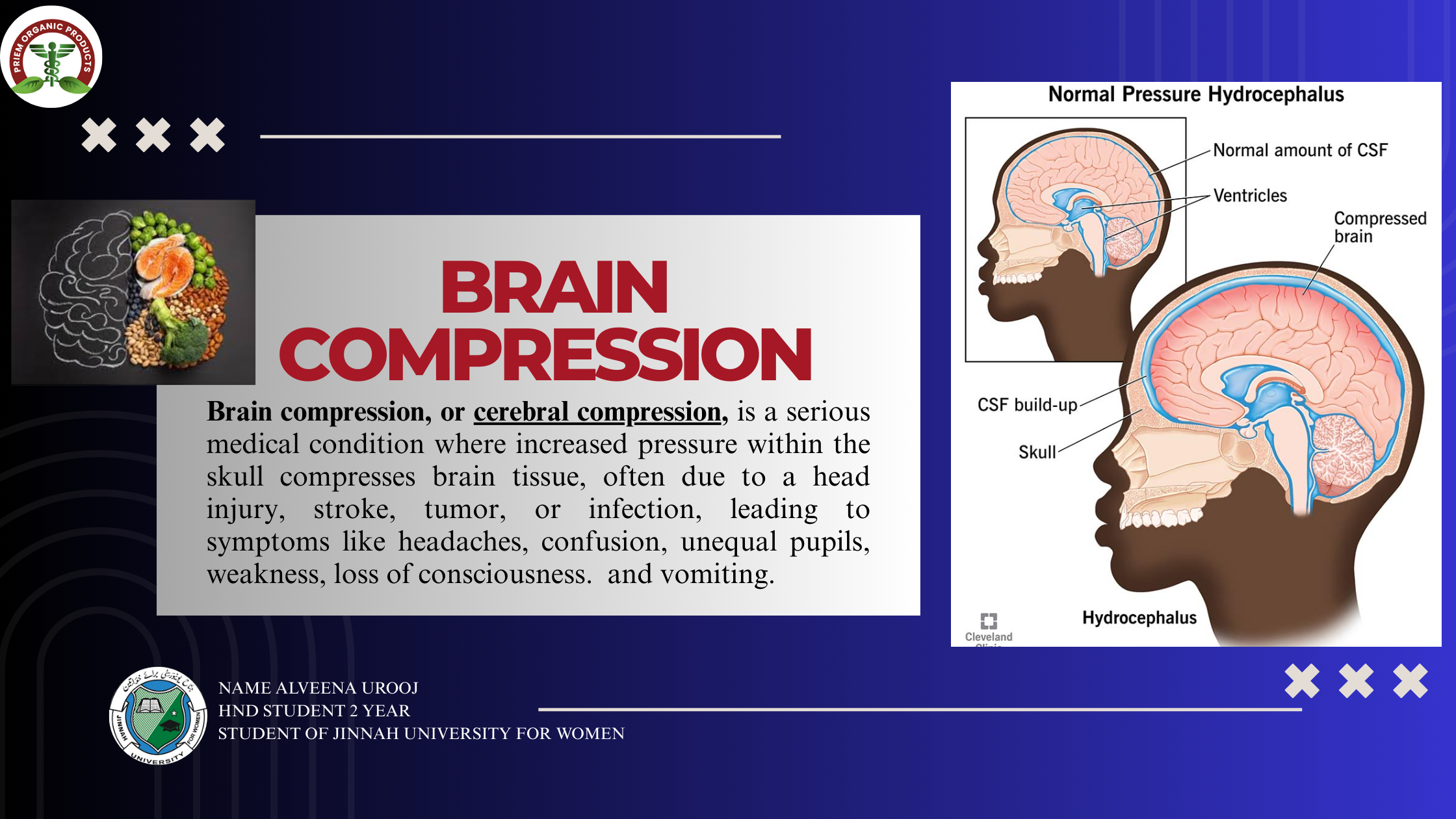
Brain compression, also known as cerebral compression, refers to the increased pressure on the brain due to various factors, including trauma, tumors, or other medical conditions. This compression can lead to serious complications, including brain damage, disability, and even death. In this blog, we will explore the concept of brain compression, its causes, symptoms, and diet.
Causes:
– Traumatic brain injury (TBI)
– Brain tumors
– Stroke or cerebral vasculature disorders
– Infections, such as meningitis or encephalitis
– Hydrocephalus (fluid accumulation in the brain)
Common Symptoms of Brain Compression
– Headache
– Confusion
– Dizziness
– Nausea and vomiting
– Weakness or numbness in limbs
– Vision problems
– Seizures
Nutritional Support for Recovery:
Foods to Include:
1. Fatty Fish: Salmon, sardines, and mackerel are rich in omega 3 fatty acids.
2. Leafy Greens: Spinach, kale, and collard greens are packed with antioxidants and magnesium.
3. Nuts and Seeds: Walnuts, flaxseeds, and chia seeds are rich in omega 3 and antioxidants.
4. Fruits: Berries, citrus fruits, and apples are high in antioxidants.
5. Whole Grains: Brown rice, quinoa, and whole wheat provide sustained energy and fiber.
Foods to Avoid
1. Processed Foods: Foods high in sugar, salt, and unhealthy fats can exacerbate inflammation.
2. Food Additives: Some food additives, such as MSG and artificial sweeteners, may trigger adverse reactions.
3. Caffeine and Alcohol.
References
- National Institute of Neurological Disorders and Stroke (NINDS)
- American Association of Neurological Surgeons (AANS)
- Mayo Clinic
Trigeminal Neuralgia Pain by Nutritionist Aqsa Tariq
TRIGEMINAL NEURALGIA:
Trigeminal Neuralgia (TN) is a condition that doesn’t get enough attention, but for those who experience it, the pain is real and incredibly tough to handle. Imagine feeling sudden, sharp, electric-shock-like pain in your face for no reason at all. That’s the reality for people with TN. It might sound like something out of a medical textbook, but for those living with it, it’s a daily challenge. In this blog, I’ll walk you through what Trigeminal Neuralgia is, its symptoms, treatment options, and why it’s so important to raise awareness. Plus, I’ll share some practical Pakistani diet tips to help reduce stress and improve overall well-being.
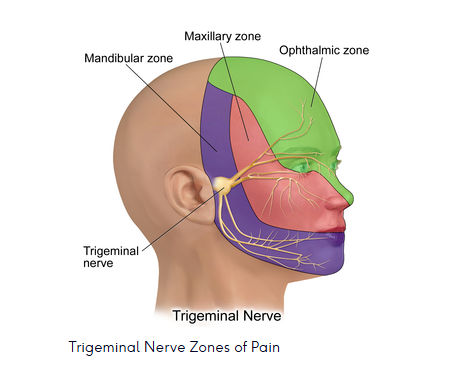
Trigeminal Neuralgia is a condition that affects the trigeminal nerve, which is the nerve responsible for sensations in your face. When this nerve becomes irritated or compressed, it causes intense pain. The pain is sudden, severe, and often described as feeling like an electric shock or stabbing sensation. It can happen in any part of the face but usually affects the lower halfthink the jaw, teeth, and cheeks.
For those who have it, the pain comes and goes unpredictably, and it’s often triggered by simple activities like talking, chewing, or even brushing your teeth. Although it’s not a common condition, the pain can be so debilitating that it severely impacts daily life.
SIGN AND SYMPTOMS OF TRIGEMINAL NEURALGIA:
The symptoms of TN are pretty straightforward but can be terrifying. Here’s what to look out for:
- Sudden, Sharp Pain: The main symptom is sudden, intense pain that feels like an electric shock. It can last anywhere from a few seconds to a minute, but it often leaves a person reeling.
- Pain on One Side of the Face: The pain usually occurs on one side of the face, and it can affect areas like the jaw, cheeks, gums, or around the eyes. Some people even experience it in their teeth.
- Pain Triggers: What makes TN especially tough is that certain things can trigger the pain, such as brushing your teeth, smiling, talking, or even feeling the breeze on your face. These triggers can happen at any time, leaving the person constantly worried about when the next attack will occur.
- Intermittent Attacks: The pain doesn’t stay constant. It comes and goes, but over time, the frequency and intensity of the pain may increase, making it harder to manage.
TREATMENT FOR TRIGRMINAL NEURALGIA:
Dealing with TN isn’t easy, but the good news is that there are treatment options available. The goal is to manage the pain and improve the person’s quality of life. Here’s an overview of the common treatments
- Medications:
Medications are usually the first step in treating TN. The most common type of medication used is anticonvulsants, like carbamazepine, which help calm down the overactive nerve that’s causing the pain. Other medications, such as muscle relaxants or anti-anxiety drugs, might also be prescribed. While medications can help control pain, they don’t always work for everyone, and they can have side effects. - Surgical Procedures:
For those who don’t find relief with medications, surgery may be considered. There are different types of surgeries, but the most common is microvascular decompression, which aims to reduce pressure on the trigeminal nerve. There are also other procedures like nerve blocks or gamma knife radiosurgery, which can help target the pain more precisely. - Lifestyle Changes and Support:
Apart from medications and surgery, managing stress is key. Stress and anxiety can trigger or worsen the pain, so practices like yoga, meditation, or simply deep breathing exercises can be incredibly helpful. It’s also important to have emotional support whether from friends, family, or a support group. Having someone to talk to can make a huge difference in dealing with the mental and emotional aspects of chronic pain.
AWERNESS:
One of the challenges people with Trigeminal Neuralgia face is the lack of understanding and awareness about the condition. Since TN is not widely talked about, people often assume it’s a simple headache or even dismiss it as “nothing serious.” In places like Pakistan, where there is still a stigma surrounding health issues especially mental health and chronic pain people with TN may feel isolated or misunderstood.
It’s crucial for society to become more aware of conditions like TN. Raising awareness helps reduce the stigma and creates a more supportive environment for those who are struggling. For example, someone with TN might be constantly worried about when the next pain episode will hit, leading to anxiety and depression. In such cases, showing empathy and providing support can go a long way in making the person feel understood and not judged.
Also, mental health conditions like Illness Anxiety Disorder (formerly hypochondriasis) often overlap with TN. People may become excessively anxious about their health, fearing that their pain means something much worse than it actually is. Understanding these connections is important so that we can offer the right kind of support and not just dismiss people’s feeling.
DIET TIPS FOR STRESS AND WELL-BEING:
When it comes to managing both physical and mental stress, diet plays a significant role. Thankfully, many foods commonly found in Pakistani kitchens can help improve overall well-being and reduce stress. Here are a few dietary suggestions that can make a difference:
- Herbal Teas:
Chamomile tea is known for its calming effects and can help reduce anxiety. Drinking a warm cup before bed can help improve sleep, which is crucial for managing pain. Green tea is another good option because of its antioxidants that support brain health. - Nuts and Seeds:
Snacks like almonds, walnuts, and flaxseeds are rich in omega-3 fatty acids, which help improve brain function and reduce inflammation. These can also help boost mood and energy levels. - Fruits and Vegetables:
Fresh fruits like papaya, guava, and pomegranate are packed with vitamin C, which helps boost the immune system and reduce stress. Leafy greens like spinach and kale are full of folate, which is known to improve mood and reduce anxiety. - Whole Grains:
Instead of refined grains, opt for brown rice, whole wheat bread, and oats. These complex carbohydrates help regulate blood sugar levels and keep your mood steady throughout the day. - Healthy Fats:
Healthy fats found in olive oil and ghee (in moderation) support brain health and can help reduce inflammation, which is key in managing pain. - Spices with Healing Properties:
Turmeric is a wonderful spice that has anti-inflammatory properties. Adding turmeric to your food or drinking turmeric milk can help with overall well-being. Similarly, ginger and cumin are excellent for digestion and also support a healthy immune system.
FINAL THOUGHT:
Living with Trigeminal Neuralgia is no easy feat. The pain can be overwhelming, and the emotional toll can sometimes be just as hard to manage. However, with the right treatments, a supportive network, and some lifestyle changes, it’s possible to live well with TN. It’s also essential that we raise awareness and reduce the stigma surrounding chronic conditions like TN and anxiety disorders.
If you or someone you know is dealing with this condition, don’t hesitate to reach out for help whether through professional treatment, support from friends and family, or making small adjustments to your diet. Everyone deserves to live a pain-free, happy life, and it starts with understanding and supporting each other.
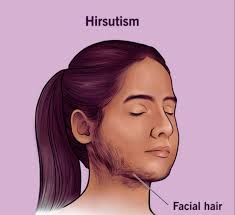
HIRSUTISM BY DIETITIAN ARHAMA WASEEM
“WHEN HORMONES SPEAK THROUGH HAIR: UNDERSTANDING HIRSUTISM”
Sara was a 20-year-old student who loved socializing. One day, she noticed coarse hair growing on her chin and upper lip. At first, she ignored it, but soon the hair spread to her chest and stomach. Along with this, her periods became irregular and she gained weight.
Feeling embarrassed, Zara avoided friends and lost her confidence. Finally, she visited a doctor. After some tests, the doctor explained that she had hirsutism caused by Polycystic Ovary Syndrome (PCOS)—a common hormonal problem in young women.
The doctor advised her on healthy eating, exercise, and gave medicines to balance her hormones. She also suggested safe hair removal methods. With treatment and support, Zara’s symptoms improved, and she regained her confidence.
WHAT IS HIRSUTISM??
Hirsutism is a common condition that causes excessive hair growth. It primarily affects females.You may develop coarse, dark hair growth on your upper lip, chin, chest, abdomen or back instead of the fine hair sometimes referred to as peach fuzz that commonly grows in those areas.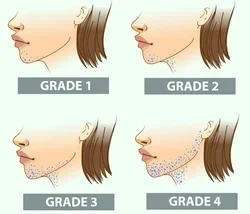
IS HIRSUTISM TREATABLE ?
Hirsutism may cause distress and may lead to lack of confidence but it is treatable.
WHO ARE MORE LIKELY TO GET HIRSUTISM?
Individual with family history of pcos,obesity as well as Mediterranean, Middle Eastern, and South Asian descent may have increase chances of hirsutism.
HOW CAN WE MANAGE HIRSUTISM?
We may use medications for treating hirsutism but it will not give long lasting effects and hair may return after stopping the medication as well as may cause side effects so it is better to focus on lifestyle changes and diet rather than going towards medication.
- Balance correct ratio of protein,healthy fats, comple
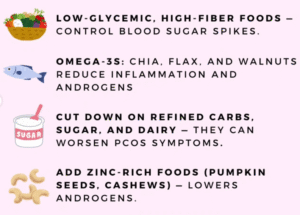 x carbohydrate and fibre to balance blood sugar.
 - Antioxidant rich food like blueberries,tomatoes.
- Whole grains.
- Spearmint tea
- Flax seeds.
- Regular exercise.
- Proper sleep.
- Limit or avoid coffee, redmeat, sugary beverages, refined foods.
SUPPLEMENTS:
- Incorporate zinc supplements can decrease androgens according to some evidence.https://pubmed.ncbi.nlm.nih.gov/26315303/
- Incorporate magnesium because low level of magnesium are associated with higher insulin and testosterone level in women.
- Omega 3 fatty acids found in fish oil help reduce testosterone levels.
~ MESSAGE:-
Hirsutism isn’t just about unwanted hair—it affects self-esteem, emotions, and daily life. But with early diagnosis and proper care, women can reclaim both their health and confidence.
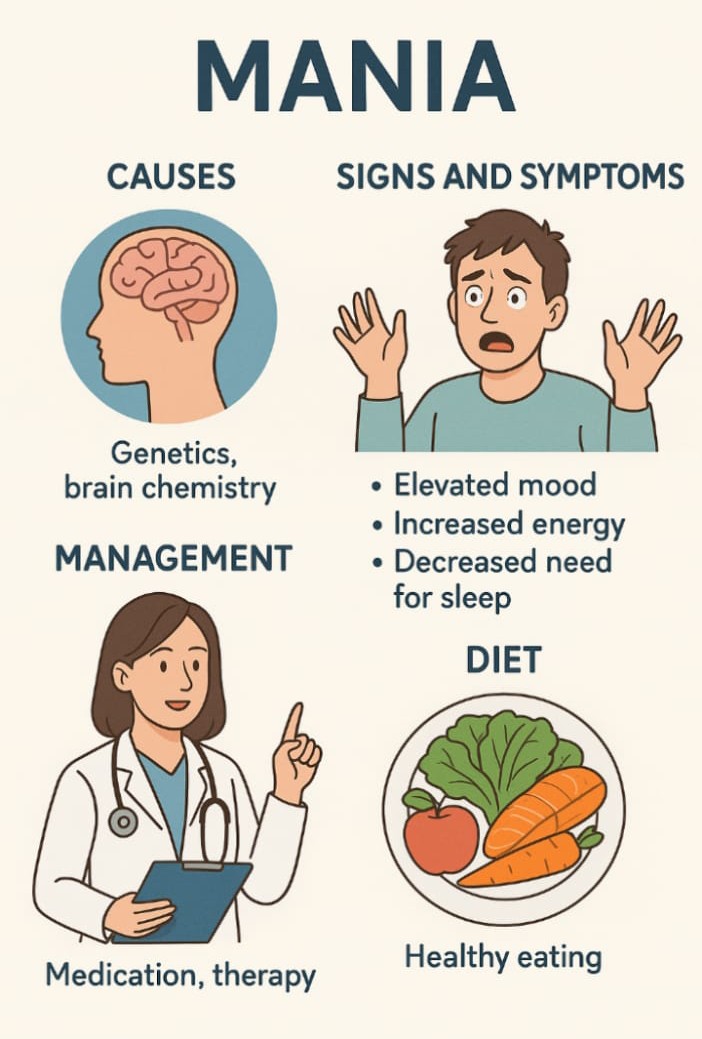
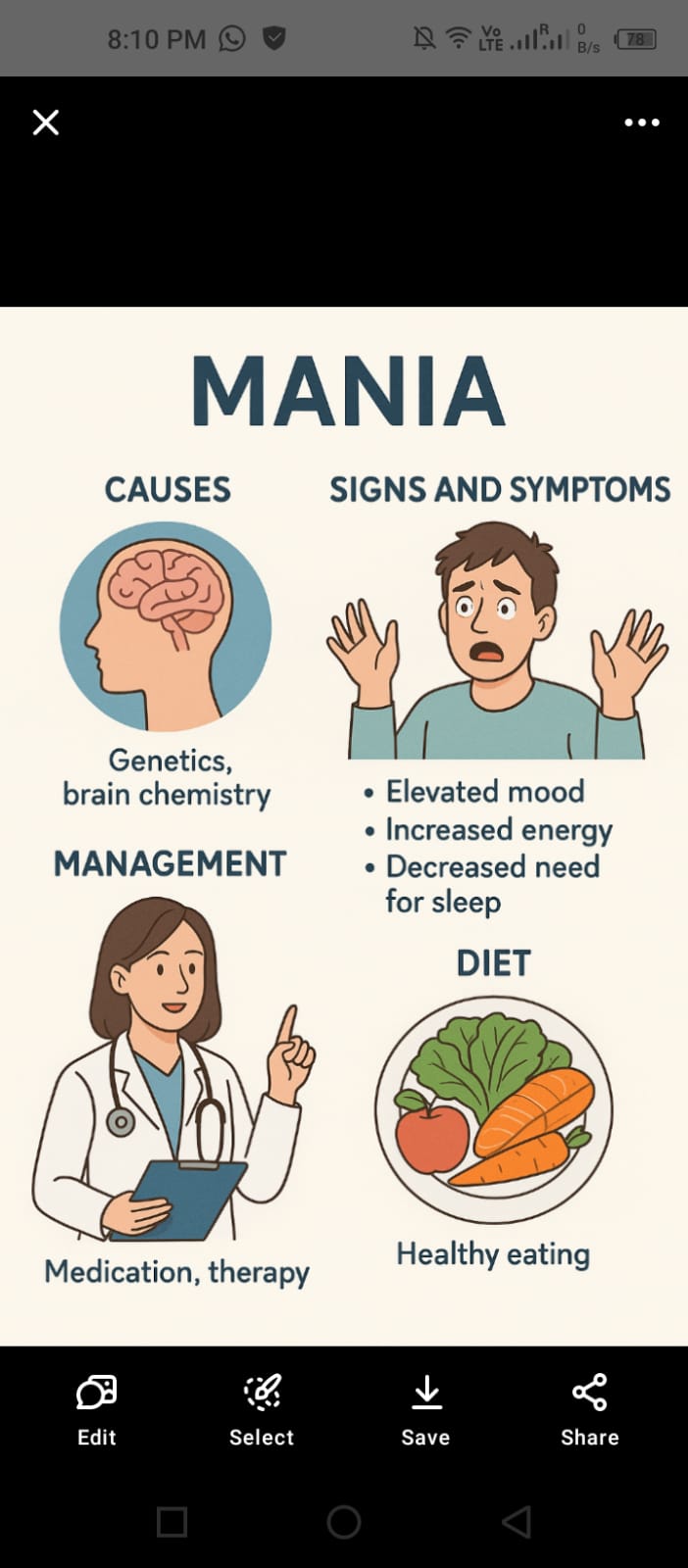
MANIA BY NUTRITIONIST RUSHANEY AAYAT
Mania: Mania is a state of abnormally elevated or irritable mood, often seen in *Bipolar Disorder.
Causes: Genetics Family history plays a role.Neurochemical Imbalance Involves neurotransmitters like dopamine, serotonin.Brain Structure/Function Differences in areas like prefrontal cortex.Environmental Triggers Stress, sleep disruption, substance use.
Symptoms
Elevated/Irritable Mood Euphoria or anger.Increased Energy Hyperactivity.Reduced Sleep Need Little sleep without fatigue.Impulsivity Risky behaviors.Grandiosity Inflated self-esteem.Pressured Speech Rapid talking.Racing Thoughts Flight of ideas.
Management & Intervention
Medications 1.Mood Stabilizers, Lithium (common for bipolar). 2. Antipsychotics For symptom control. 3. Anticonvulsants Like valproate.Psychotherapy Psychoeducation , CBT.Lifestyle Regular sleep, stress management.Monitoring Track mood, sleep patterns.
Role of Diet
Omega-3 Fatty Acids: Found in fish (EPA/DHA), may support mood stability.Balanced Nutrition: Stable blood sugar supports mood.Avoid Triggers: Some report caffeine/alcohol can impact mood.Hydration: Adequate water intake.Nutrient Support:Magnesium Involved in neuronal function.B Vitamins Role in neurotransmitter synthesis.
MANIA BY NUTRITIONIST RUSHANEY AAYAT
Mania: Mania is a state of abnormally elevated or irritable mood, often seen in *Bipolar Disorder.
Causes: Genetics Family history plays a role.Neurochemical Imbalance Involves neurotransmitters like dopamine, serotonin.Brain Structure/Function Differences in areas like prefrontal cortex.Environmental Triggers Stress, sleep disruption, substance use.
Symptoms
Elevated/Irritable Mood Euphoria or anger.Increased Energy Hyperactivity.Reduced Sleep Need Little sleep without fatigue.Impulsivity Risky behaviors.Grandiosity Inflated self-esteem.Pressured Speech Rapid talking.Racing Thoughts Flight of ideas.
Management & Intervention
Medications 1.Mood Stabilizers, Lithium (common for bipolar). 2. Antipsychotics For symptom control. 3. Anticonvulsants Like valproate.Psychotherapy Psychoeducation , CBT.Lifestyle Regular sleep, stress management.Monitoring Track mood, sleep patterns.
Role of Diet
Omega-3 Fatty Acids: Found in fish (EPA/DHA), may support mood stability.Balanced Nutrition: Stable blood sugar supports mood.Avoid Triggers: Some report caffeine/alcohol can impact mood.Hydration: Adequate water intake.Nutrient Support:Magnesium Involved in neuronal function.B Vitamins Role in neurotransmitter synthesis.
MANIA BY NUTRITIONIST RUSHANEY AAYAT
Mania: Mania is a state of abnormally elevated or irritable mood, often seen in *Bipolar Disorder.
Causes: Genetics Family history plays a role.Neurochemical Imbalance Involves neurotransmitters like dopamine, serotonin.Brain Structure/Function Differences in areas like prefrontal cortex.Environmental Triggers Stress, sleep disruption, substance use.
Symptoms
Elevated/Irritable Mood Euphoria or anger.Increased Energy Hyperactivity.Reduced Sleep Need Little sleep without fatigue.Impulsivity Risky behaviors.Grandiosity Inflated self-esteem.Pressured Speech Rapid talking.Racing Thoughts Flight of ideas.
Management & Intervention
Medications 1.Mood Stabilizers, Lithium (common for bipolar). 2. Antipsychotics For symptom control. 3. Anticonvulsants Like valproate.Psychotherapy Psychoeducation , CBT.Lifestyle Regular sleep, stress management.Monitoring Track mood, sleep patterns.
Role of Diet
Omega-3 Fatty Acids: Found in fish (EPA/DHA), may support mood stability.Balanced Nutrition: Stable blood sugar supports mood.Avoid Triggers: Some report caffeine/alcohol can impact mood.Hydration: Adequate water intake.Nutrient Support:Magnesium Involved in neuronal function.B Vitamins Role in neurotransmitter synthesis.
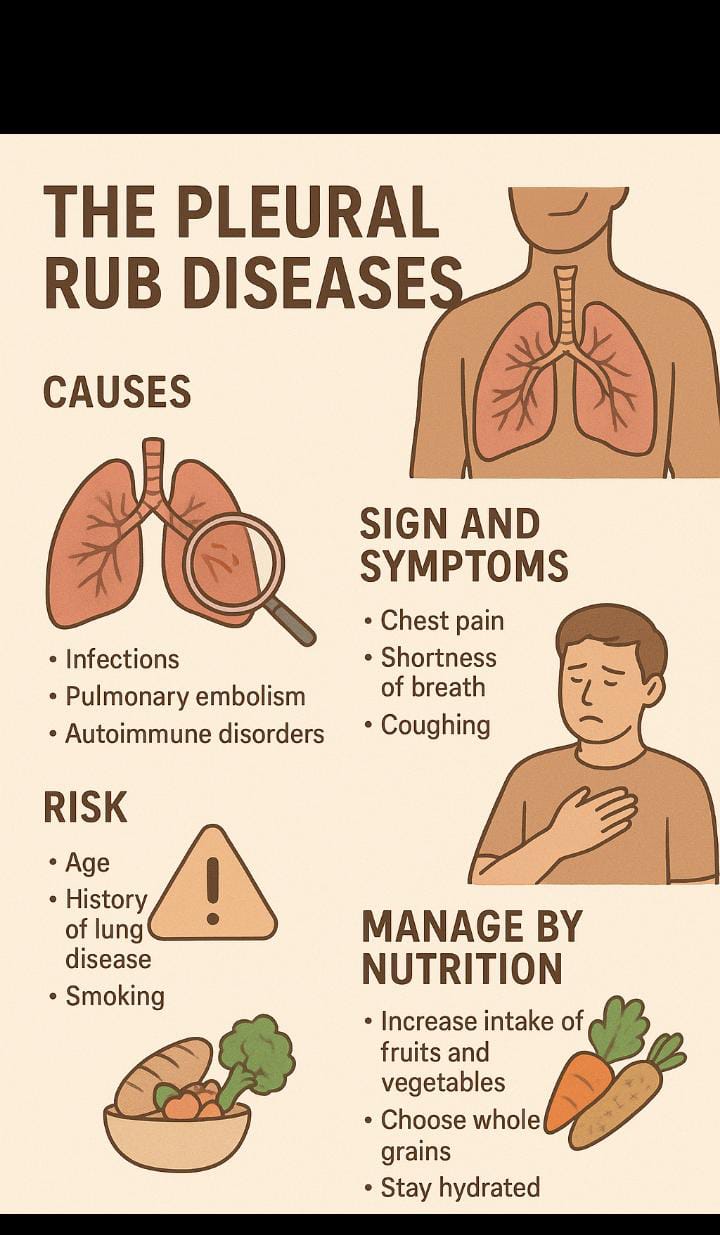
PLEURAL RUB BY NUTRITIONIST WAJEEHA SHAMS
Pleural rub – a distinctive grating sound heard on auscultation, often indicating inflammation of the pleural surfaces (pleurisy). Typically heard during both inspiration and expiration, reflecting friction between visceral and parietal pleura.
Pleural Rub Encounter: A telltale grating sound signaling pleural inflammation. Coupled with smart nutrition – think omega-3 rich foods (salmon, walnuts), antioxidant-packed veggies (spinach, kale), and ample hydration – to support lung health and potentially ease discomfort associated with pleurisy. Clinical care and lifestyle tweaks work hand-in-hand for better outcomes.