CategoriesUncategorized

Hungtington’s chorea by ushna fatima

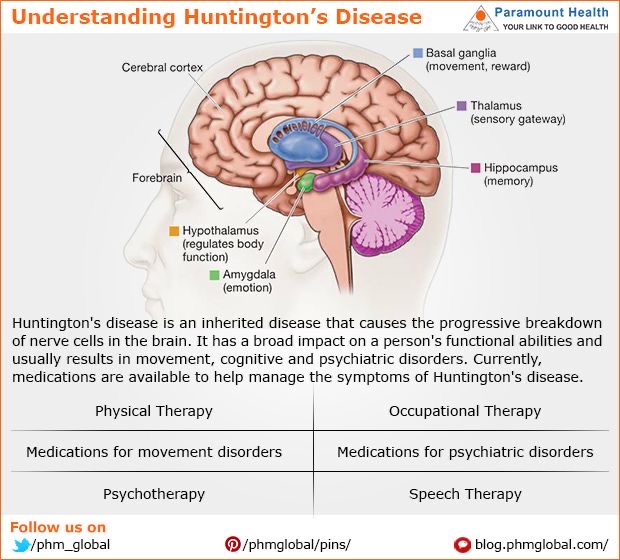
🧠✨ Huntington’s Disease: The Silent Inheritance

Huntington’s disease is not just about the jerky, dance-like movements (chorea) people often notice. It’s a genetic brain disorder that slowly changes the way a person moves, thinks, and feels.

📌 If one parent carries the faulty gene, their child has a 50% chance of inheriting it. Symptoms usually appear between the ages of 30–50, a time when many are raising families, building careers, and chasing dreams.

⚠️ What it looks like:

  • Uncontrollable movements (chorea)
  • Trouble with balance and coordination
  • Memory loss and difficulty concentrating
  • Emotional challenges like anxiety, depression, or irritability

💔 There is no cure yet — but support, therapy, and treatment can help improve quality of life. Families, caregivers, and communities play a powerful role in making the journey less isolating.

🌍 Awareness matters. Every movement, every symptom, every story deserves understanding and compassion. Let’s replace judgment with empathy and stigma with support.


Brain Compression by Alveena Urooj

The Importance of Brain Compression: Understanding the Concept and Its Application

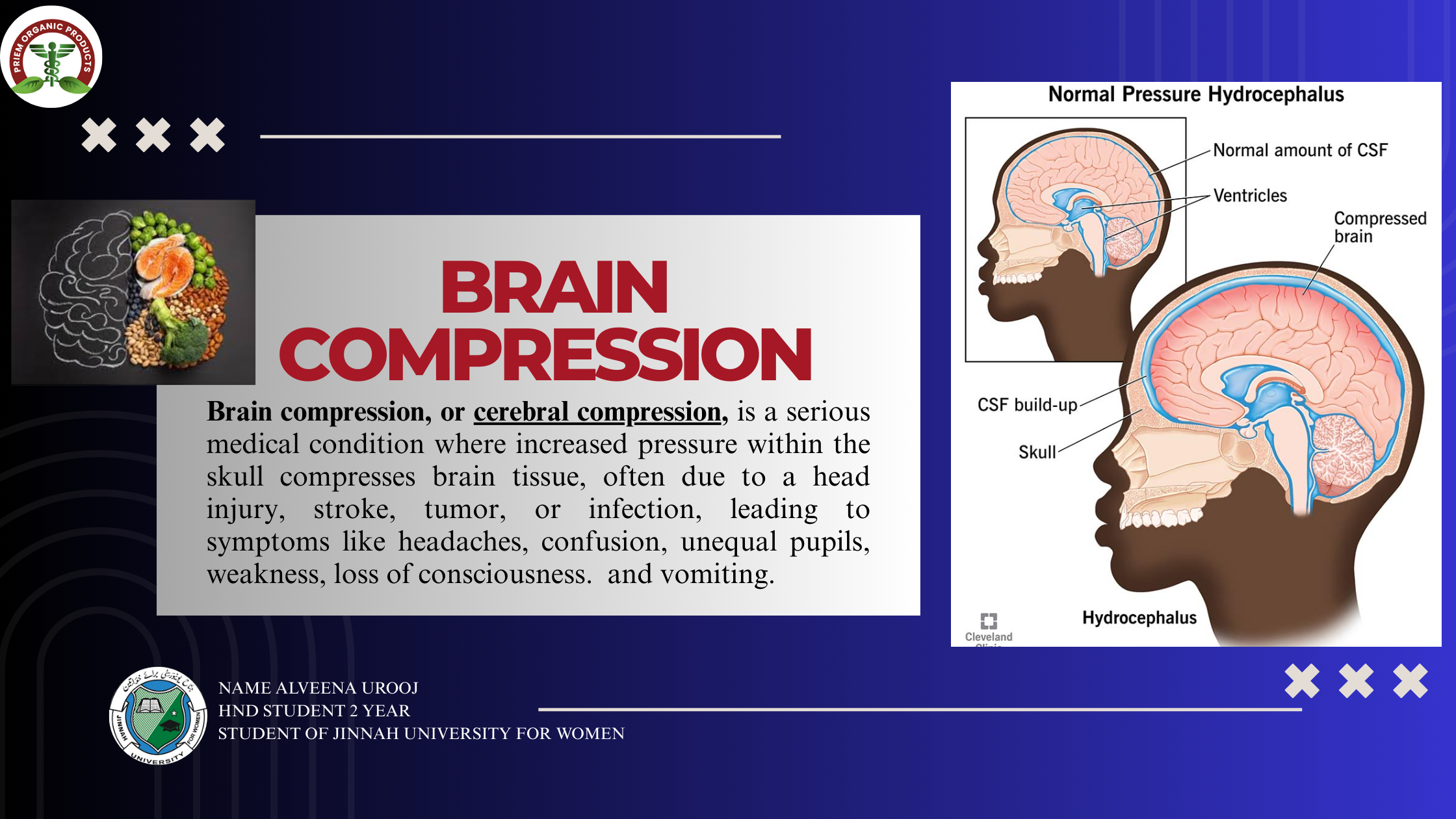
Brain compression, also known as cerebral compression, refers to the increased pressure on the brain due to various factors, including trauma, tumors, or other medical conditions. This compression can lead to serious complications, including brain damage, disability, and even death. In this blog, we will explore the concept of brain compression, its causes, symptoms, and diet.

Causes:

– Traumatic brain injury (TBI)
– Brain tumors
– Stroke or cerebral vasculature disorders
– Infections, such as meningitis or encephalitis
– Hydrocephalus (fluid accumulation in the brain)

Common Symptoms of Brain Compression

– Headache
– Confusion
– Dizziness
– Nausea and vomiting
– Weakness or numbness in limbs
– Vision problems
– Seizures

Nutritional Support for Recovery:

Foods to Include:

1. Fatty Fish: Salmon, sardines, and mackerel are rich in omega 3 fatty acids.

2. Leafy Greens: Spinach, kale, and collard greens are packed with antioxidants and magnesium.

3. Nuts and Seeds: Walnuts, flaxseeds, and chia seeds are rich in omega 3 and antioxidants.

4. Fruits: Berries, citrus fruits, and apples are high in antioxidants.

5. Whole Grains: Brown rice, quinoa, and whole wheat provide sustained energy and fiber.

Foods to Avoid

1. Processed Foods: Foods high in sugar, salt, and unhealthy fats can exacerbate inflammation.

2. Food Additives: Some food additives, such as MSG and artificial sweeteners, may trigger adverse reactions.

3. Caffeine and Alcohol.

References

  1. National Institute of Neurological Disorders and Stroke (NINDS)
  2. American Association of Neurological Surgeons (AANS)
  3. Mayo Clinic


CategoriesUncategorized

Anemia by Nutritionist ArishbaYasir

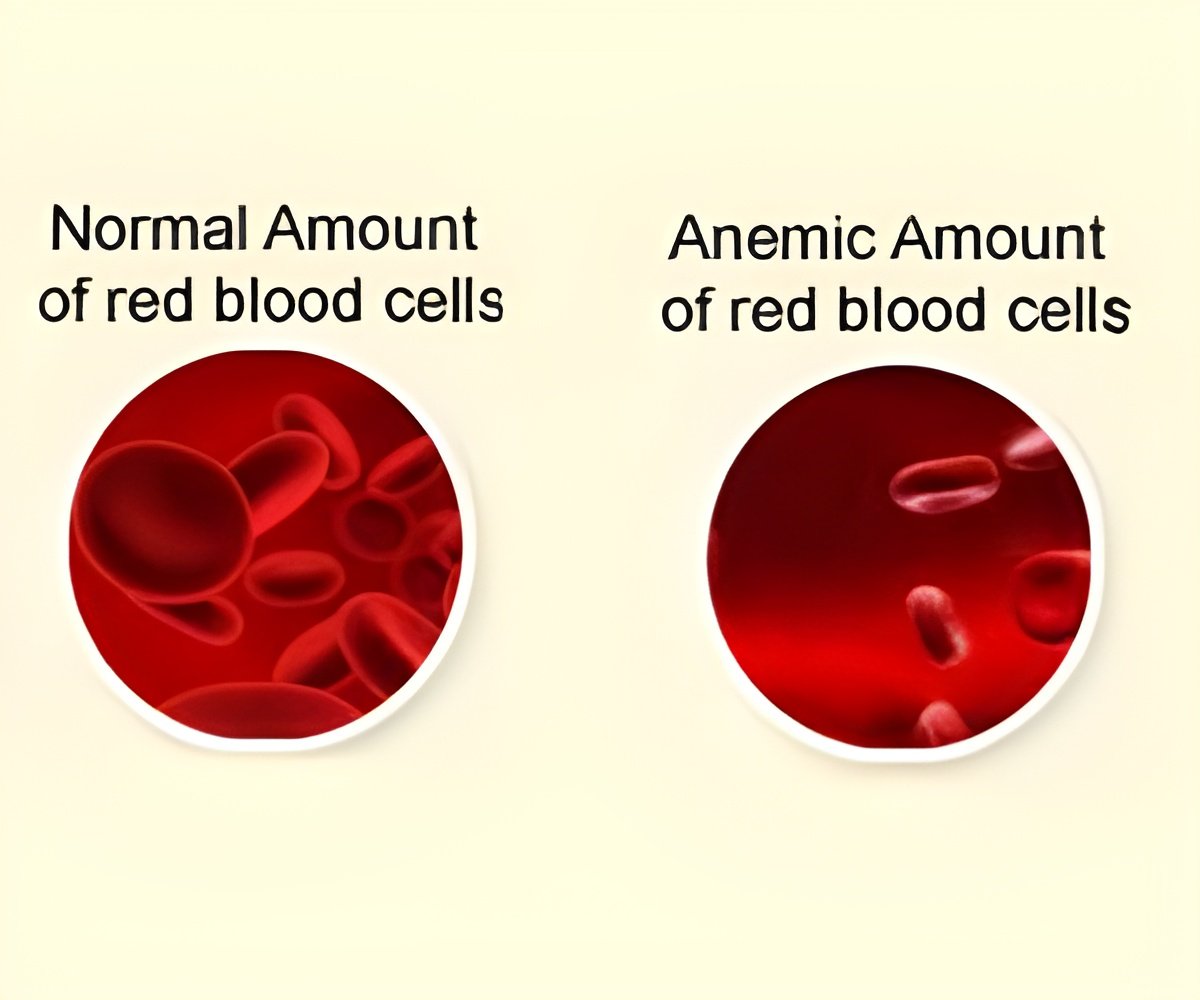
Anemia is a widespread health concern that occurs when the body does not have enough healthy red blood cells to carry oxygen effectively. The most common type is iron-deficiency anemia, often caused by poor diet, blood loss, or increased nutritional needs. Other causes may include deficiencies in vitamin B12 and folate. Common symptoms include tiredness, pale skin, weakness, dizziness, and shortness of breath.

As a nutritionist I believe , diet plays a central role in both prevention and management. Including iron-rich foods such as lean meats beans, lentils, spinach, and fortified cereals is essential. Pairing these with vitamin C–rich foods, like citrus fruits or tomatoes, greatly enhances iron absorption. For vegetarians, pulses, nuts, and dark leafy greens provide excellent alternatives.

A balanced diet, routine checkups, and timely treatment can help reduce anemia risk and promote overall well-being.

— By Nutritionist Arishba

CategoriesUncategorized

The Memory Epidemic by Nutritionist Zainab Zainulabedin

Memory loss is increasingly prevalent among younger generations. Diet, nutrition, and psychological well-being play a significant role in cognitive health. A balanced diet rich in omega-3s, antioxidants, and vitamins supports brain health, while processed foods, sugar, and unhealthy fats can negatively impact memory. Stress, anxiety, and depression can also impair cognitive function. Regular exercise, sufficient sleep, and mentally stimulating activities can support brain health. By prioritizing brain health and making informed choices, individuals can reduce the risk of memory loss and build a stronger, more resilient brain. Nutrition and psychology are key to maintaining cognitive function. Taking proactive steps can support brain health and overall well-being. A healthy lifestyle can have a positive impact on memory and cognitive function. By focusing on brain health, we can build a healthier brain.

Categoriesblogs

Infertility by Nutritionist Zainab Juzer

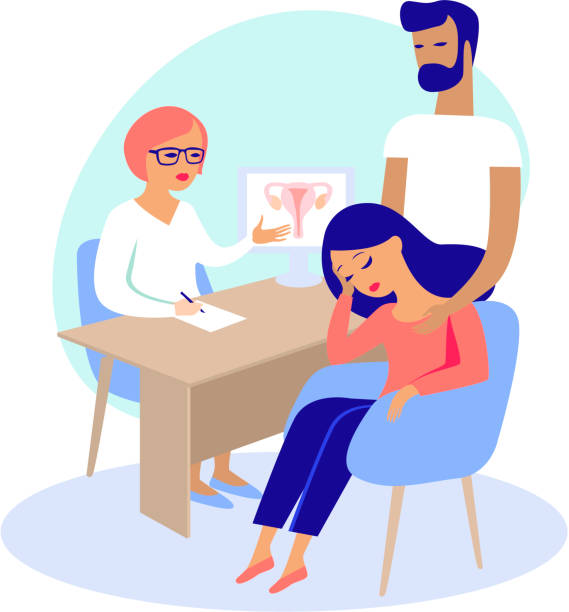
Infertility is a journey of unfulfilled dreams, uncertainty, and resilience. It’s a path filled with longing and grief, challenging one’s identity and aspirations. The silence surrounding infertility can be overwhelming, but empathy and openness can help break the silence and find support. Sharing stories and listening to others can create a sense of community and understanding. Nutrition plays a major role in fertility, and a healthy diet can significantly impact one’s ability to conceive. A well-balanced diet and healthy lifestyle can support reproductive health and improve conception chances. By making informed choices, individuals can proactively support their fertility journey. A healthy lifestyle and diet can build a strong foundation for a healthy family. By acknowledging the impact of diet and lifestyle, individuals can take control of their fertility journey and find hope in the midst of uncertainty. Support and understanding can make a difference.

Categoriesblogs

General Paralysis Of Insane By Dietetian Naveera Mehtab

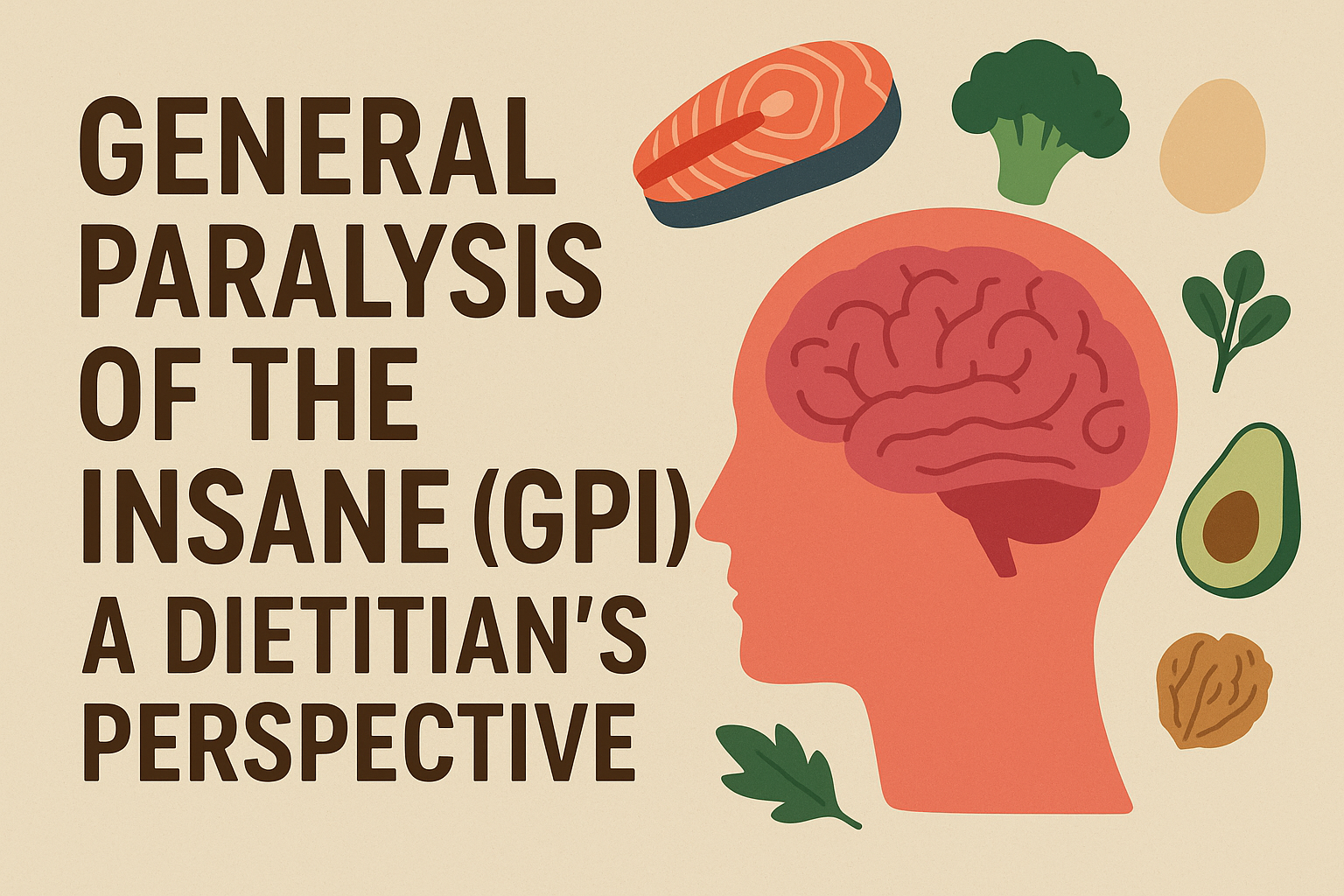
🧠 General Paralysis of the Insane (GPI): A Dietitian’s Perspective on Brain Health

When we think about brain health, diet might not be the first thing that comes to mind. But as a dietitian, I’ve seen how food can play a powerful role in supporting both physical and mental well-being. Today, I’d like to shed some light on a rare but historically important condition — General Paralysis of the Insane (GPI) — and discuss how nutrition fits into the bigger picture.


💡 What is GPI?

General Paralysis of the Insane (GPI), also known as general paresis, is a neurological condition that develops as a late-stage complication of untreated syphilis. Before antibiotics were available, it was far more common.

The condition affects the brain and nervous system, leading to:

  • Memory loss and confusion

  • Mood or personality changes

  • Tremors and seizures

  • Difficulty speaking or swallowing

  • Paralysis in advanced stages

Thankfully, GPI is very rare today due to effective medical treatments. However, it remains a valuable case study in how infections, neurology, and nutrition intersect.


🥦 The Role of Nutrition in GPI

While medication is essential in treating syphilis and managing complications, nutrition cannot be overlooked. Food may not cure GPI, but it provides crucial support for:

  • Immune strength to reduce secondary infections

  • Muscle preservation in individuals with reduced mobility

  • Cognitive support through key vitamins, minerals, and fatty acids

  • Comfort and safety when eating becomes challenging

In other words, nutrition helps maintain dignity, strength, and quality of life.


🍲 Nutrition Strategies for GPI (and Brain Health)

Here are some dietary approaches that can make a difference:

Protein-Rich Foods

Eggs, fish, legumes, and dairy help maintain strength and repair tissues.

Brain-Boosting Nutrients

Omega-3 fatty acids (salmon, walnuts, flaxseeds)

B vitamins (whole grains, leafy greens, fortified cereals)

Vitamin D (sunlight exposure, fish, fortified foods)

Hydration

Adequate fluids prevent dehydration, which can worsen confusion or trigger seizures.

Texture-Modified Diets

For those with swallowing difficulties, pureed foods, smoothies, and thickened liquids ensure safety and adequate intake.

Supportive Mealtime Environment

A calm, encouraging setting can reduce stress and improve appetite.


🌱 A Holistic Approach

Managing GPI requires a team approach: doctors, neurologists, speech therapists, caregivers — and yes, dietitians. Nutrition plays a supportive but vital role in preserving comfort, function, and quality of life.

Even beyond GPI, these strategies remind us how food directly impacts brain health. What we eat today can influence how our brain functions tomorrow.

Categoriesblogs

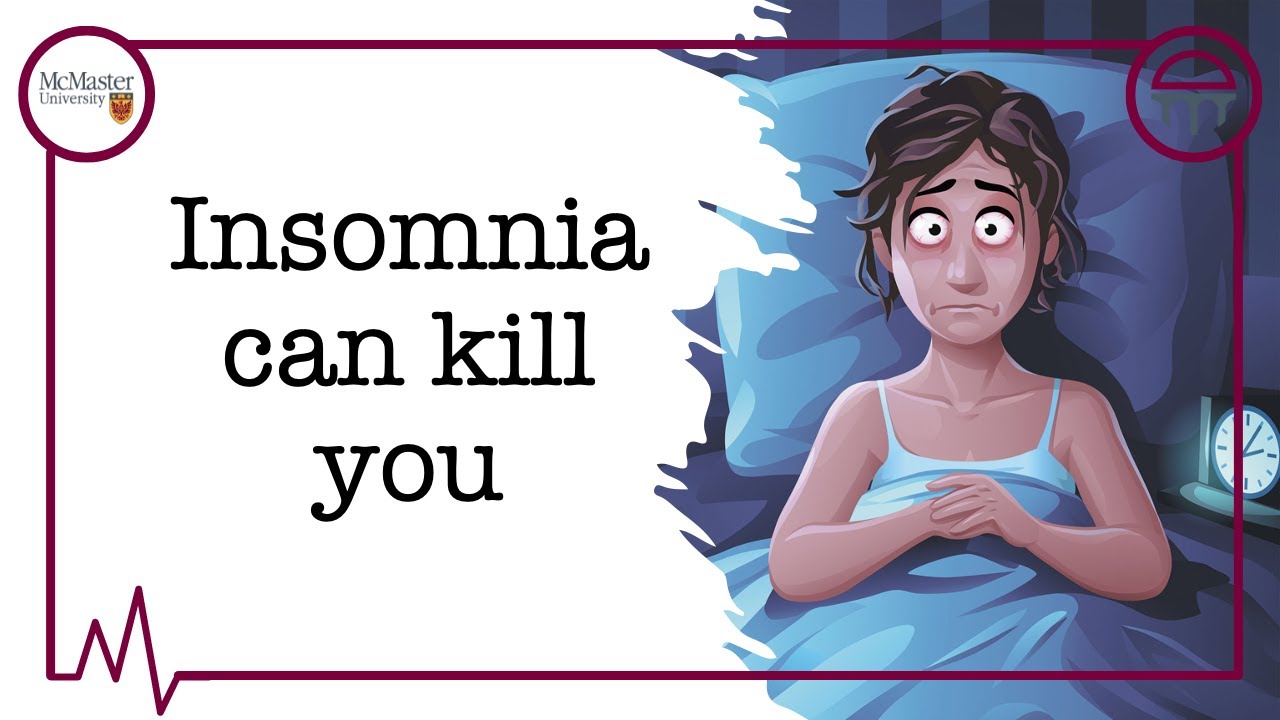
Fatal Insomnia by Nutritionist Laiba Batool

Fatal Insomnia: A Rare and Mysterious Sleep Disorder

Fatal Insomnia, also known as Fatal Familial Insomnia (FFI), is a rare and devastating genetic disorder that gradually destroys the ability to sleep. This prion disease affects the thalamus, a part of the brain that regulates sleep and wakefulness.

Symptoms:

– Gradual loss of sleep ability
– Rapid weight loss
– Dementia
– Muscle weakness
– Difficulty speaking and swallowing

Progression:

FFI typically starts in mid-life, with symptoms worsening over 12-18 months. Patients eventually lose the ability to sleep entirely, leading to physical and mental deterioration.

Causes:

FFI is caused by a misfolded protein (prion) that damages brain cells. It’s usually inherited in an autosomal dominant pattern, meaning a single copy of the mutated gene is enough to cause the disease.

Treatment:

Unfortunately, there’s no cure for FFI. Treatment focuses on managing symptoms and improving quality of life.

Awareness:

Raising awareness about FFI can help families affected by this rare disease. Research into prion diseases and sleep disorders may one day lead to effective treatments or a cure.

FFI is a tragic reminder of the complexities of the human brain and the importance of sleep for our well-being.

Categoriesblogs

Bell’s palsy by Nutritionist Aliza Abrar

Bell’s palsy :

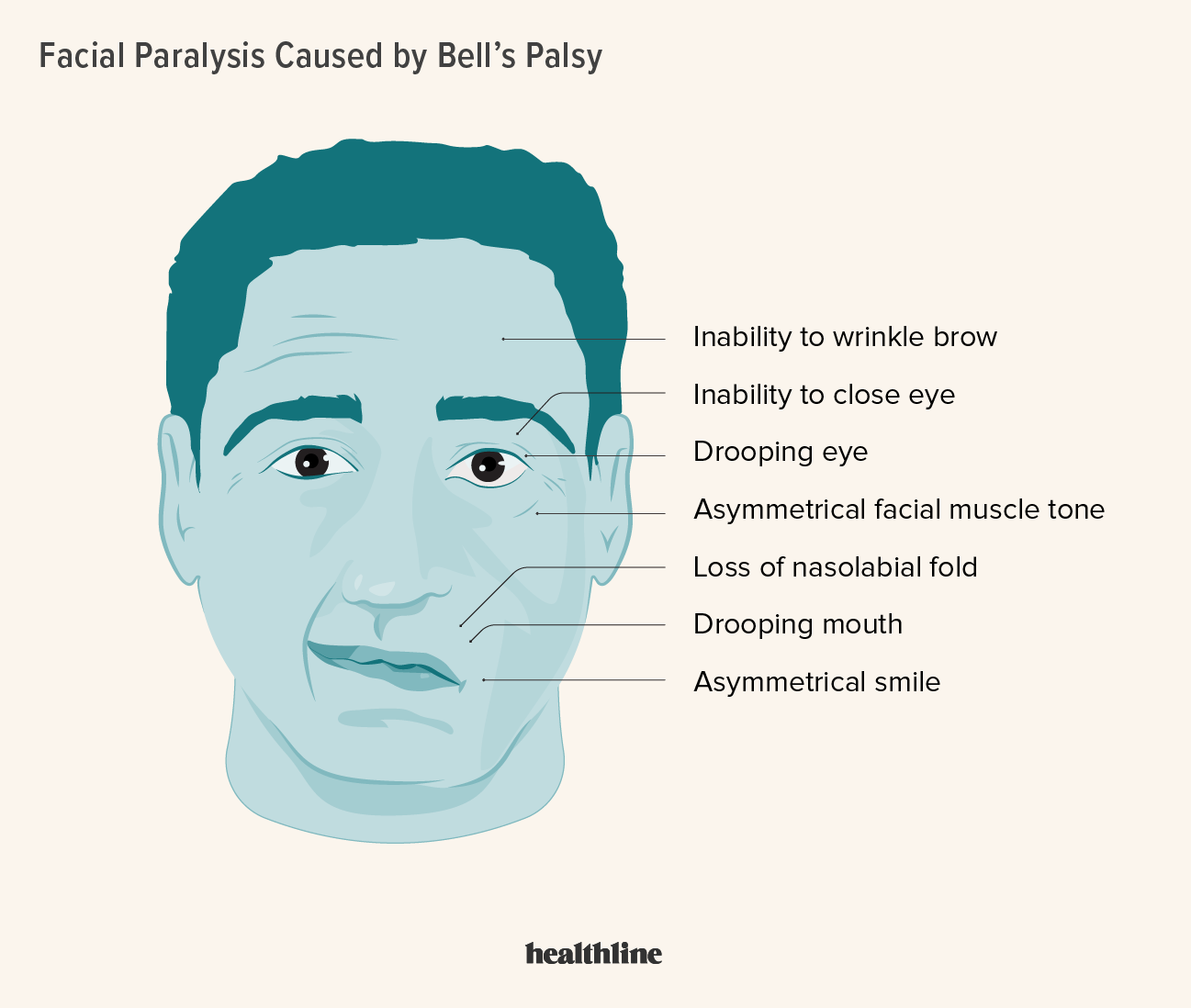
Bell’s palsy is a sudden condition where one side of the face becomes weak or droopy. A person may struggle to smile, blink, or sip water. This happens due to inflammation of the facial nerve, often linked to viral infections, low immunity, or stress.

Common Signs

  • Drooping on one side of the face

  • Difficulty closing one eye

  • Trouble smiling or speaking

  • Excess tearing or drooling

The weakness usually appears quickly, within hours.

Recovery

Most cases are temporary, with recovery in weeks to months. Medicines, facial exercises, and eye care help speed healing.

Final Note

Though frightening, Bell’s palsy isn’t life-threatening. With timely care and support, most people regain full confidence and function.

Categoriesblogs

Tic Syndrome by nutritionist Rahat un Nisa


signs and symptoms 

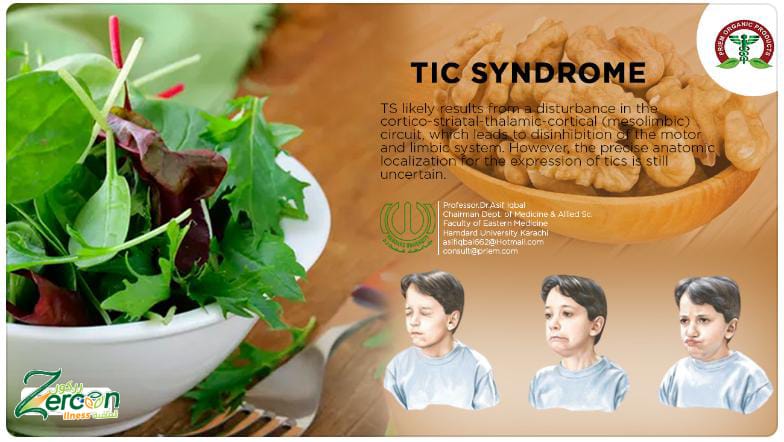
Tourette’s Syndrome and other tic disorders can manifest in various ways. Common symptoms include:

1.Motor tics ...

1. Eye blinking or rolling

2. Facial grimacing

3. Head jerking

4. Shoulder shrugging

5. Limb movements

  • 2 Vocal tics

1. Throat clearing

2. Grunting or snorting

3. Repeating words or phrases

4. Using inappropriate language (coprolalia)

3.Other symptoms 

1. Premonitory urges (sensations before tics)

2. Tic severity varying over time

3. Stress, excitement

4. Tics often diminishing during focused activities.

Treatment of Tic Syndrome

Treatment for Tourette’s Syndrome and other tic disorders typically involves a combination of behavioral, pharmacological, and educational approaches. Some common treatment options include:

1. Behavioural therapies

1. Comprehensive Behavioral Intervention for Tics

: Teaches individuals to become aware of their tics and learn alternative behaviors.

2. Habit Reversal Training . Helps individuals identify and replace tics with alternative behaviors.

2.Medications 

1. Antipsychotics: Can help reduce tic severity.

2. Alpha-2 adrenergic agonists: May help reduce tic

3.life style changes 

1. Stress management: Techniques like relaxation, exercise, and mindfulness can help reduce tic severity.

2. Sleep hygiene: Establishing a consistent sleep schedule and creating a relaxing bedtime routine can help.


Tic Syndrome

Tourette’s Syndrome is a neurodevelopmental disorder characterized by:

  • Motor tics: Sudden, repetitive movements (e.g., blinking, grimacing)
  • :Vocal tics Repetitive sounds or vocalizations (e.g., throat clearing, words)Other tic disorders include:


Read more “Tic Syndrome by nutritionist Rahat un Nisa”

Categoriesblogs

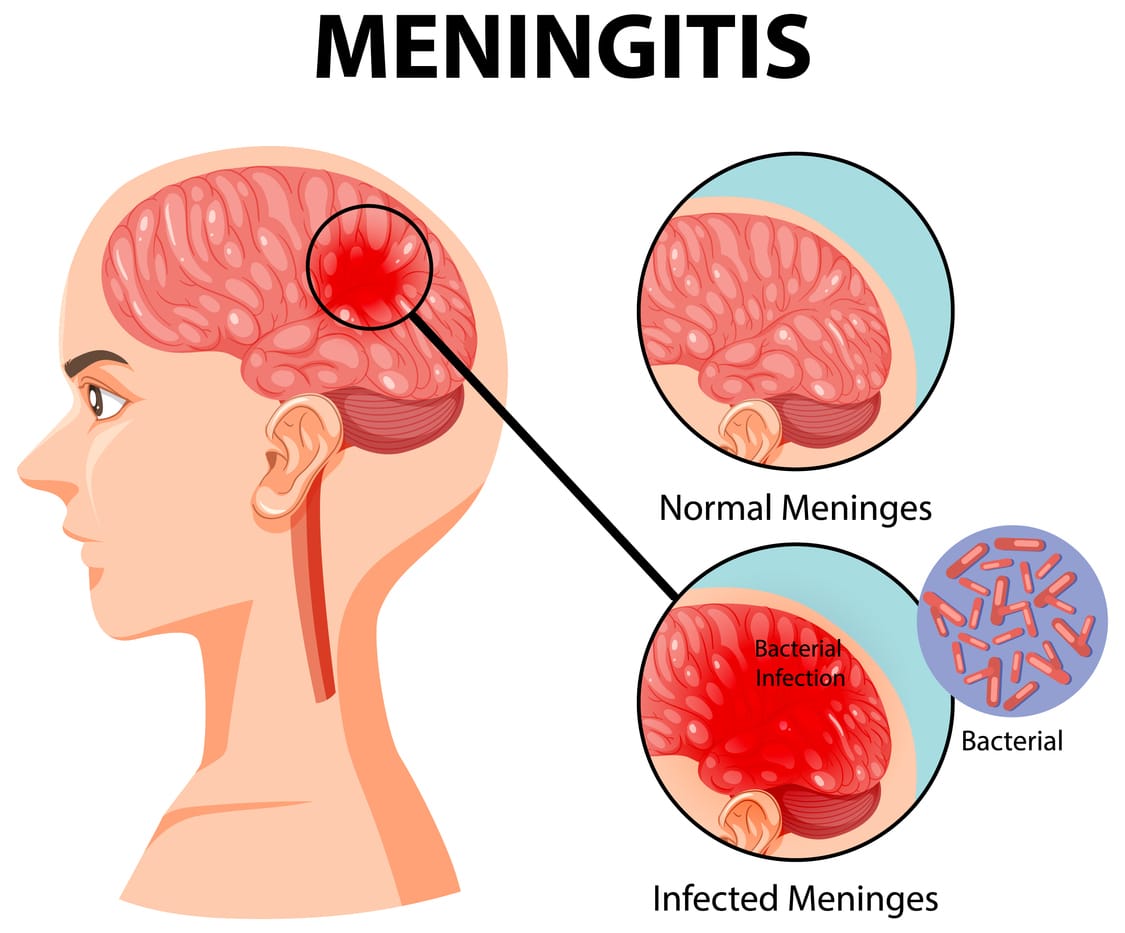
Acute Spinal Meningitis by Nutritionist Hafsa Basit

Acute spinal meningitis is an inflammation of the membranes surrounding the brain and spinal cord ,caused primarily by bacterial or viral infections, it can progress rapidly, sometimes leading to brain damage or death within hours if untreated. While immediate medical care is essential, emerging research highlights nutrition’s critical role in supporting recovery, reducing inflammation, and enhancing immune defense.

Recognizing the Symptoms:

  • In Adults: Severe headache, stiff neck, light sensitivity, fever, vomiting, seizures, and pain radiating from the spine.
  • In Children: High-pitched crying, dislike of being touched, lethargy, refusal to eat, cold extremities, and pale or blotchy skin.

Causes and Risk Factors:

Spinal meningitis typically results from bacterial or viral infections. Risk factors include close contact with infected individuals, a weakened immune system, respiratory infections, or living in crowded environments.
Bacterial meningitis: Requires immediate IV antibiotics.
Viral meningitis: Often resolves with supportive care but still needs medical evaluation.

The Role of Nutrition in Recovery:

  1. Strengthening Immunity:
    Vitamins A, C, D, E – support immune function and tissue repair.
    Zinc – aids cellular repair.
    Probiotics – maintain gut health and improve immune response.
  2. Supporting Brain and Nervous System Health:
    Omega-3 Fatty Acids – reduce neuroinflammation and support cognitive recovery.
    B Vitamins (B6, B12, Folate) – promote nerve regeneration and brain function.
  3. Managing Inflammation:
    Include turmeric, berries, and leafy greens to naturally reduce inflammation.
  4. Hydration and Electrolyte:
    Replace fluids lost from fever or vomiting to maintain electrolyte balance.
  5. Restoring Gut Health After Antibiotics
    Consume probiotic-rich foods like yogurt, kefir, and fermented vegetables to rebuild gut flora.