- Office Hour : 09:00am - 6:00pm
PCOS by Nutritionist Dania Sadiq
Taking Control of PCOS: How Diet and Supplements Can Ease Your Symptoms
If you’ve landed here, you’re likely looking for answers about Polycystic Ovary Syndrome (PCOS). You might be feeling overwhelmed by confusing symptoms or frustrated by a lack of clear guidance. The first step to taking control is understanding what you’re dealing with. So, let’s start there.
What Exactly is PCOS?
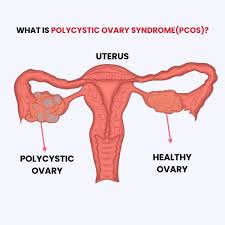
Polycystic Ovary Syndrome (PCOS) is a common hormonal and metabolic disorder that affects how a woman’s ovaries function. The name can be a bit misleading—it’s not just about cysts on the ovaries.
Think of PCOS as a glitch in your body’s endocrine system. It’s characterized by a combination of three main features:
1. Insulin Resistance: This is a key driver for many women with PCOS. It means your body’s cells don’t respond well to the hormone insulin, which is responsible for moving sugar (glucose) from your blood into your cells for energy. To compensate, your pancreas pumps out more and more insulin. This leads to high insulin levels in your blood, which can wreak havoc on your ovaries.
2. High Androgen Levels:Androgens are often called “male hormones,” but all women produce them in small amounts. High insulin levels signal the ovaries to produce excess androgens. This is what causes many of the classic PCOS symptoms like:
* Acne and oily skin
* Hirsutism (excess hair growth on the face, chest, back)
* Thinning hair or hair loss on the scalp (female pattern hair loss)
3. Ovulatory Dysfunction: The hormonal imbalance interferes with the growth and release of eggs from the ovaries (ovulation). This can lead to:
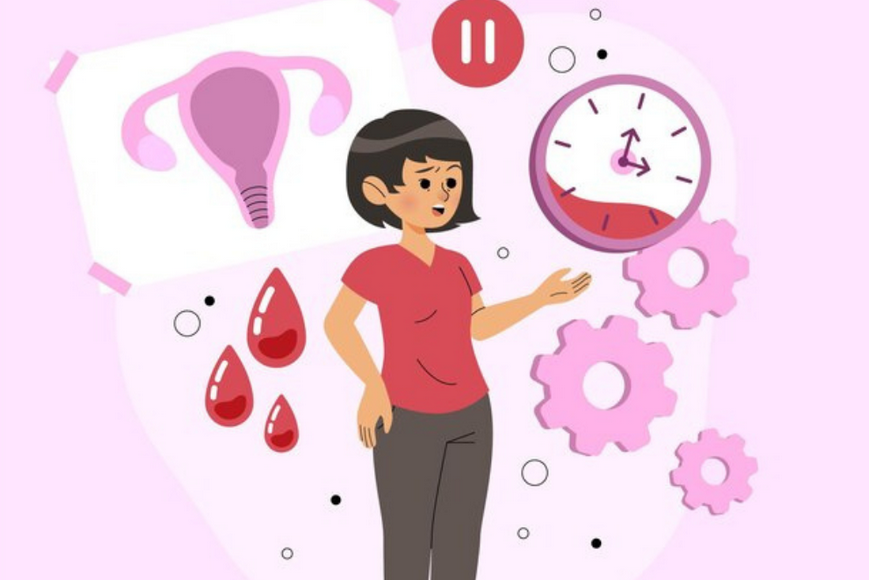
* Irregular or absent menstrual periods
* Difficulty getting pregnant
* The development of multiple small, fluid-filled sacs (follicles) on the ovaries—this is where the “polycystic” name comes from.
To be diagnosed, a woman typically needs to have at least two of these three features.
Now that we understand the “what,” let’s talk about the “how”—how you can actively manage this condition and significantly reduce your symptoms.
Your Plate as Your Power Tool: The Role of Diet
While there is no official “cure” for PCOS, it is highly manageable. Because insulin resistance is a core issue, your diet becomes one of your most powerful levers for change. The goal isn’t a short-term “diet” but a sustainable way of eating that helps balance your blood sugar and insulin levels.
Here are the key dietary principles for managing PCOS:
1. Embrace Low-Glycemic Eating:
What it means:Choose carbohydrates that break down slowly, preventing sharp spikes in your blood sugar and insulin.
Focus on:Non-starchy vegetables (leafy greens, broccoli, peppers), whole fruits (berries, apples), legumes (lentils, chickpeas), and whole grains (quinoa, oats, brown rice).
Limit: Refined carbs and sugars (white bread, pasta, pastries, soda, candy).
2. Balance Your Macros (Protein, Fat, Fiber):
Protein:Include a source of lean protein (chicken, fish, tofu, eggs, Greek yogurt) with every meal. Protein promotes satiety and helps slow the absorption of carbs.
Healthy Fats: Don’t fear fat! Healthy fats from avocados, nuts, seeds, and olive oil support hormone production and help keep you full.
Fiber:Found in vegetables, fruits, and whole grains, fiber is fantastic for blood sugar control and digestive health.
3. Focus on Anti-Inflammatory Foods:
PCOS is often linked with chronic inflammation. An anti-inflammatory diet can help.
Load up on:Berries, fatty fish (salmon, sardines), leafy greens, nuts (especially walnuts), and spices like turmeric and ginger.
Boosting Your Efforts: The Role of Key Supplements
While a healthy diet is the foundation, certain supplements can fill nutritional gaps and directly target PCOS mechanisms. Always consult with your doctor or a registered dietitian before starting any new supplement regimen
Here are some of the most well-researched supplements for PCOS:
Inositol:Often considered a star player for PCOS. Specifically, a 40:1 ratio of Myo-inositol to D-chiro-inositol has been shown to improve insulin sensitivity, reduce androgen levels, and support ovulation.
Berberine:A compound from several plants that has powerful blood-sugar-lowering effects, similar to the diabetes drug Metformin. It’s excellent for improving insulin resistance.
Omega-3 Fatty Acids: Found in fish oil, omega-3s help reduce inflammation and can improve cholesterol levels and insulin sensitivity.
Vitamin D:Many women with PCOS are deficient in Vitamin D. Adequate levels are crucial for insulin function, mood, and fertility.
Magnesium:This mineral helps with glucose control and can reduce inflammation. Many women with PCOS have lower magnesium levels.
Spearmint Tea: While not a pill, drinking spearmint tea twice daily has been shown in studies to have a mild anti-androgen effect, potentially helping to reduce hirsutism.
Seed Cycling:Another natural approach that has gained popularity for its potential to support hormonal balance is seed cycling. This gentle, food-based practice involves eating specific seeds—flax and pumpkin, followed by sunflower and sesame—during the two main phases of your menstrual cycle. The theory is that the unique nutrients in these seeds (like lignans, fatty acids, and zinc) can help support estrogen metabolism in the first half of the cycle and progesterone production in the second half. For women with PCOS, who often experience estrogen dominance or low progesterone, seed cycling is seen as a way to gently nudge the body back into a rhythm. While more robust scientific research is needed, many women report amazing effects like more regular cycles, reduced PMS, and less severe period symptoms. It’s considered a safe, nourishing, and empowering practice that complements a PCOS-friendly diet by providing targeted nutrients directly from whole foods. (PS: It actually helped me A LOT to regulate my cycles!!)
A Holistic Approach is Key
Remember, managing PCOS is a marathon, not a sprint. Combining a blood-sugar-friendly diet with targeted supplements, regular physical activity (even brisk walking helps!), stress management (like yoga or meditation), and quality sleep creates a powerful synergy.
You are not defined by your PCOS. By understanding your body and providing it with the right support, you can reclaim control and significantly reduce your symptoms. Start with one small change—maybe swapping your breakfast for a protein-rich smoothie or adding a daily walk—and build from there. You have the power to feel better.
ABOUT VITAMIN D BY NUTRITIONIST FARIHA ZAKIR
INTRODUCTION :
VİTAMİNS ARE A GROUP OF SUBSTANCES THAT ARE NEEDED FOR NORMAL CELL FUNCTİON, GROWTH, AND DEVELOPMENT. THERE ARE 13 ESSENTİAL VİTAMİNS. THİS MEANS THAT THESE VİTAMİNS ARE REQUİRED FOR THE BODY TO WORK PROPERLY.
ABOUT VITAMIN D :
VİTAMİN D (ALSO REFERRED TO AS CALCİFEROL) İS A
FAT-SOLUBLE VİTAMİN THAT İS NATURALLY PRESENT
İN A FEW FOODS, ADDED TO OTHERS, AND AVAİLABLE
AS A DİETARY SUPPLEMENT.ALSO KNOWN AS THE
SUNSHINE VITAMIN THAT PLAYS A CRUCİAL ROLE İN
MAİNTAİNİNG STRONG BONES, İMMUNE FUNCTİON,
AND OVERALL HEALTH.
IMPORTANCE :
Vitamin D helps regulate the amount of calcium and phosphate in the body. These nutrients are needed to keep bones, teeth and muscles healthy. A lack of vitamin D can lead to bone deformities such as rickets in children, and bone pain caused by a condition called osteomalacia in adults.
FUNCTIONS OF VIT D :
-Bone Health: Regulation:calcium levels, promotes bone mineralizatio
n, and prevents osteoporosis
– Immune System: Modulates immune cell function, reduces inflammation, and prevents autoimmune diseases
– Cardiovascular Health: Lowers blood pressure, reduces risk of heart disease, and stroke
DEFECIENCY OF VITAMIN D :
Deficiency: Insufficient vitamin D levels, often due to limited sun exposure, poor diet, or
kidney/liver disease
– Health Risks: Osteoporosis, osteomalacia, rickets, increased risk of infections,
autoimmune diseases, and certain cancers
SYMPTOMS DUETO DEFECIENCYOF VIT D :
When vitamin D levels are low and the body isn’t able to properly absorb calcium and phosphorus, there is an increased risk of bone pain, bone fractures, muscle pain, and muscle weakness. In older adults, severe
vitamin D deficiency (levels less than 10 ng/mL) may also contribute to an increased risk of falls.
DAILY INTAKE :
– Infants (0-12 months): 400 IU/day
– Children (1-18 years): 600 IU/day
– Adults (19-70 years): 600 IU/day
– Adults (71 years and older): 800 IU/day
– Pregnant and breastfeeding women: 600-800 IU/day
TREATEMENT :
– Diagnosis: Blood tests (25-hydroxyvitamin D) and physical examination
– Treatment: Supplements, dietary changes, and increased sun exposure
NATURAL SOURCES:
1. LEAFY GREENS (SPİNACH, KALE, COLLARD GREENS)
2. FERMENTED FOODS (SAUREKRAUT, KİMCHİ)
3. FATTY FİSH(SALMON, TUNA)
4. EGGYOLKS
5. GRASS-FEDBEEF
6. SUNLIGHT
HORMONAL IMBALANCE By Nutritionist Falak Mazhar
⚖️ Hormonal Imbalance: Causes, Risks, Recovery & Prevention
Hormones are the body’s chemical messengers, responsible for regulating metabolism, mood, energy, reproduction, sleep, growth, and more. When these hormones become imbalanced, it can disrupt virtually every aspect of your health.
Whether it’s due to stress, lifestyle, or medical conditions, hormonal imbalance affects people of all ages — and the symptoms are often confusing or overlooked. This blog will help you understand why and how hormonal imbalance happens, who’s at risk, and how to recover naturally and medically.
❓ Why Hormonal Imbalance Happens
Hormonal imbalance happens when there is too much or too little of one or more hormones in the bloodstream. Since hormones control many vital functions, even a slight imbalance can lead to significant symptoms.
Common Causes:
-
Chronic stress
-
Poor diet or malnutrition
-
Sedentary lifestyle
-
Genetics
-
Toxin exposure (endocrine disruptors in plastics, cosmetics, pesticides)
-
Medical conditions (thyroid disorders, diabetes, PCOS, tumors)
-
Certain medications or treatments (like birth control or steroids)
-
Aging (especially during puberty, pregnancy, or menopause)
🔬 How Hormonal Imbalance Happens
Hormones are produced by endocrine glands (like the thyroid, adrenals, ovaries, pancreas, etc.) and regulated by feedback systems involving the brain and pituitary gland.
When this system is disrupted — by inflammation, disease, stress, or lifestyle — glands may overproduce or underproduce hormones, such as:
-
Insulin (blood sugar control)
-
Thyroid hormones (metabolism)
-
Cortisol (stress response)
-
Estrogen/Progesterone/Testosterone (reproductive health)
-
Melatonin (sleep regulation)
These imbalances create a ripple effect across many body systems.
⚠️ Diseases and Conditions Caused by Hormonal Imbalance
Depending on which hormones are affected, imbalances can lead to a wide range of health issues:
Female-related:
-
Polycystic Ovary Syndrome (PCOS)
-
Infertility
-
Endometriosis
-
Premenstrual Syndrome (PMS)
-
Menopause-related issues
Male-related:
-
Low testosterone
-
Erectile dysfunction
-
Gynecomastia (breast enlargement)
General or Non-gender-specific:
-
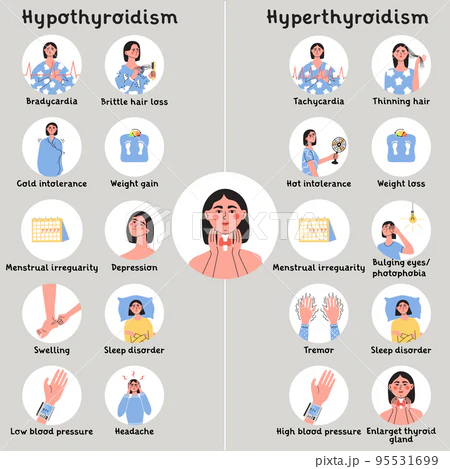
Thyroid disorders (hypothyroidism, hyperthyroidism)
-
Adrenal fatigue or Addison’s disease
-
Diabetes (Type 1 and 2)
-
Obesity or unexplained weight changes
-
Sleep disorders
-
Chronic fatigue
-
Depression and anxiety
-
Acne or skin issues
👶 Age and Health Conditions at Risk
Hormonal imbalances can affect all age groups but are more common at certain life stages and in people with certain risk factors.
At-Risk Age Groups:
-
Teenagers (puberty-related shifts)
-
Women in their 20s–40s (due to menstruation, pregnancy, PCOS)
-
Perimenopausal and menopausal women
-
Men over 40 (testosterone decline)
-
Elderly people (due to thyroid, adrenal, or metabolic decline)
Health Conditions That Increase Risk:
-
Diabetes or insulin resistance
-
Obesity
-
Autoimmune diseases
-
Eating disorders
-
Chronic stress or anxiety
-
Poor sleep
-
Gut issues (like leaky gut or IBS)
-
Long-term medication use (like birth control pills or steroids)
💊 Sources to Recover from Hormonal Imbalance
1. Medical Treatment
Recovery depends on the type of imbalance:
-
Thyroid meds (levothyroxine, antithyroid drugs)
-
Insulin or blood sugar control medications
-
Hormone Replacement Therapy (HRT) for menopause or low testosterone
-
Birth control pills (for regulating cycles or PCOS)
-
Surgery or tumor removal, if imbalance is caused by growths on glands
2. Testing and Diagnosis
Accurate diagnosis is essential. Key tests include:
-
Blood hormone panels (estrogen, progesterone, testosterone, cortisol, thyroid)
-
Ultrasound (for ovaries or thyroid)
-
Saliva or urine hormone testing
-
Glucose tolerance or insulin tests
🌿 Natural Sources for Supportive Recovery
In addition to medical care, natural lifestyle strategies can significantly help balance hormones over time.
Hormone-Balancing Foods:
-
Healthy fats (avocados, coconut oil, nuts)
-
Cruciferous vegetables (broccoli, kale – support estrogen metabolism)
-
Fermented foods (support gut health)
-
High-fiber foods (promote estrogen clearance)
-
Chia seeds, flaxseeds (contain phytoestrogens)
Key Nutrients:
-
Magnesium – Regulates cortisol and supports thyroid
-
Vitamin D – Supports endocrine function
-
Omega-3s – Reduce inflammation and balance estrogen/testosterone
-
B Vitamins – Critical for adrenal and reproductive health
Adaptogenic Herbs:
-
Ashwagandha – Supports adrenal balance
-
Maca root – Supports libido and mood
-
Rhodiola – Reduces stress-related cortisol spikes
🛡️ Tips to Prevent Hormonal Imbalance
Prevention involves reducing stress on the endocrine system and supporting it daily.
-
Eat a hormone-supportive diet
-
Exercise regularly (not excessively)
-
Avoid endocrine disruptors (BPA, phthalates, pesticides)
-
Prioritize sleep (7–9 hours/night)
-
Reduce stress through meditation, yoga, or breathwork
-
Stay hydrated
-
Avoid overuse of medications or supplements without guidance
-
Limit sugar and refined carbs
🚨 Common Symptoms of Hormonal Imbalance
Symptoms can vary based on which hormones are affected. Here are some of the most common:
-
Fatigue or low energy
-
Unexplained weight gain or loss
-
Mood swings, anxiety, or depression
-
Low libido
-
Irregular periods or missing periods
-
Acne or oily skin
-
Insomnia or poor sleep
-
Hair loss or thinning
-
Digestive issues (bloating, constipation)
-
Brain fog or poor concentration
-
Cold hands/feet or sensitivity to cold (thyroid-related)
🧪 How Is Hormonal Imbalance Diagnosed?
Diagnosis usually involves:
-
Blood Tests (e.g., thyroid panel, estrogen, testosterone, cortisol, insulin)
-
Saliva or Urine Testing (for adrenal or sex hormone rhythm)
-
Imaging Tests (ultrasound or MRI for gland abnormalities)
-
Menstrual tracking or fertility tracking (in women)
Always consult a qualified healthcare provider for testing and interpretation.
🧠 Emotional & Mental Health Impact
Hormones deeply affect brain chemistry. Imbalances can cause:
-
Mood instability
-
Panic attacks
-
Brain fog
-
Depression or irritability
Emotional support, therapy, and community connection are vital for holistic healing.
✅ Quick Checklist: What to Do If You Suspect Hormonal Imbalance
-
✅ Track your symptoms daily or monthly
-
✅ Get tested by a qualified doctor or endocrinologist
-
✅ Make necessary lifestyle and diet changes
-
✅ Take prescribed medications or supplements as advised
-
✅ Reduce toxin exposure and manage stress
-
✅ Get adequate sleep and exercise
The Gut Microbiome by Nutritionist Noor Us Saba
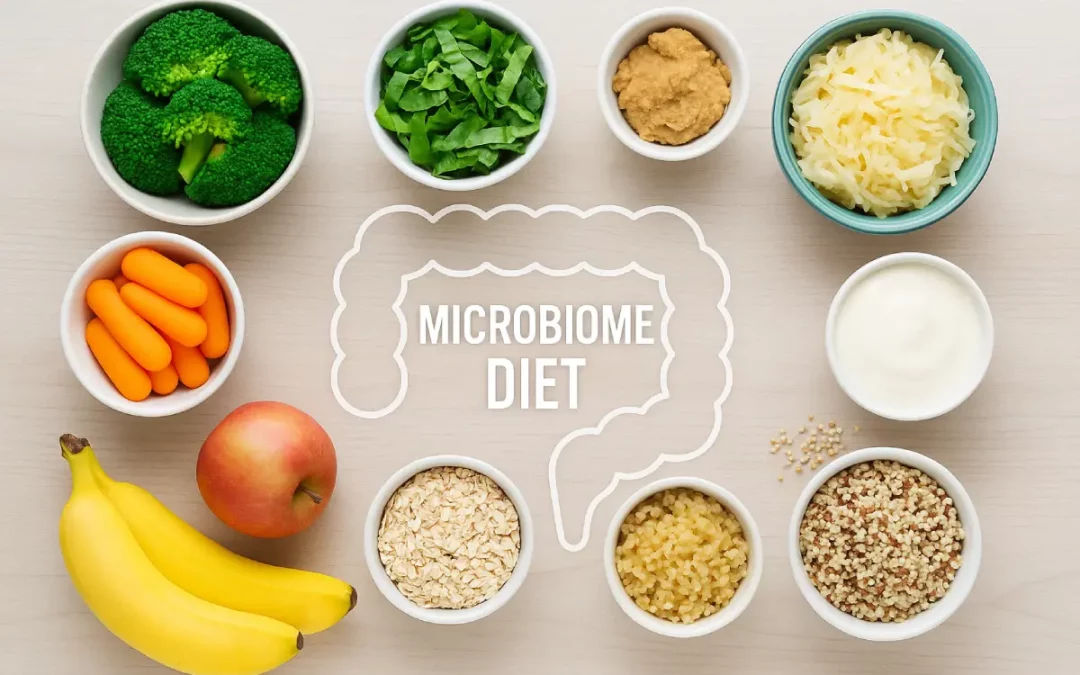
Gut microbiome, trillions of microbes living in your digestive tract plays a powerful role in digestion, immunity, and even mood. A balanced microbiome helps absorb nutrients, create vitamins, and fight off harmful bacteria. But when it’s disrupted, it can lead to bloating, low energy, or poor immunity. What you eat plays a direct role in shaping this ecosystem.
The good news? You can nourishing your microbiome, support your gut health with simple, everyday nutrition choices:
-
Eat more fiber from fruits, vegetables, whole grains, and legumes.
-
Add fermented foods like yogurt, kimchi, and kefir to boost healthy bacteria.
-
Stay hydrated, since water supports digestion and nutrient absorption.
-
Limit processed foods and sugar, which feed the “bad” bacteria.
-
Include prebiotics like garlic, onions, and bananas to nourish good microbes.
Small, consistent changes in your diet can help your microbiome thrive. A healthy gut isn’t just about digestion it’s the foundation of overall well-being.
Miscarriage in early pregnancy by Nutritionist Laiba Anum
Miscarriage in early pregnancy is a common and often distressing experience for many women. Here’s a comprehensive overview:
What is Miscarriage?
Miscarriage is the loss of a pregnancy before the 20th week. Early miscarriage typically occurs within the first 12 weeks of gestation ¹.
Causes and Risk Factors
– Chromosomal abnormalities in the fetus are a common cause of miscarriage
– Advanced maternal age increases the risk of miscarriage, with women over 40 having a 50% risk
– Medical conditions like poorly controlled diabetes and lifestyle factors like smoking and being overweight also contribute to the risk
– In many cases, the cause of miscarriage remains unknown
Symptoms and Diagnosis
– Vaginal bleeding and cramping are common symptoms, but some women may experience no symptoms at all
– Ultrasound scans and blood tests can help diagnose miscarriage
– A missed miscarriage occurs when the embryo stops developing but remains in the uterus, often without noticeable symptoms
Treatment Options
– *Expectant Management*: Waiting for the body to expel the pregnancy tissue naturally, which can take several weeks
– *Medical Management*: Taking medication like misoprostol to induce bleeding and expulsion of the pregnancy tissue
– *Surgical Management*: A procedure called dilation and curettage (D&C) to remove the pregnancy tissue from the uterus
Emotional Support and Next Steps
– Losing a pregnancy can be emotionally challenging, and it’s essential to seek support from healthcare providers, family, and friends
– There’s no medical reason to delay trying to conceive again after a miscarriage, and some studies suggest that conceiving within six months may reduce the risk of another miscarriage
²
Prevention and Future Pregnancies
– Maintaining good physical and mental health can help reduce the risk of miscarriage
– Women who have experienced multiple miscarriages may be offered additional testing and monitoring in future pregnancies ²
Miscarriage in early pregnancy is a common and often distressing experience for many women. Here’s a comprehensive overview:
What is Miscarriage?
Miscarriage is the loss of a pregnancy before the 20th week. Early miscarriage typically occurs within the first 12 weeks of gestation ¹.
Causes and Risk Factors
– Chromosomal abnormalities in the fetus are a common cause of miscarriage
– Advanced maternal age increases the risk of miscarriage, with women over 40 having a 50% risk
– Medical conditions like poorly controlled diabetes and lifestyle factors like smoking and being overweight also contribute to the risk
– In many cases, the cause of miscarriage remains unknown
Symptoms and Diagnosis
– Vaginal bleeding and cramping are common symptoms, but some women may experience no symptoms at all
– Ultrasound scans and blood tests can help diagnose miscarriage
– A missed miscarriage occurs when the embryo stops developing but remains in the uterus, often without noticeable symptoms
Treatment Options
– *Expectant Management*: Waiting for the body to expel the pregnancy tissue naturally, which can take several weeks
– *Medical Management*: Taking medication like misoprostol to induce bleeding and expulsion of the pregnancy tissue
– *Surgical Management*: A procedure called dilation and curettage (D&C) to remove the pregnancy tissue from the uterus
Emotional Support and Next Steps
– Losing a pregnancy can be emotionally challenging, and it’s essential to seek support from healthcare providers, family, and friends
– There’s no medical reason to delay trying to conceive again after a miscarriage, and some studies suggest that conceiving within six months may reduce the risk of another miscarriage
²
Prevention and Future Pregnancies
– Maintaining good physical and mental health can help reduce the risk of miscarriage
– Women who have experienced multiple miscarriages may be offered additional testing and monitoring in future pregnancies ²
If you’re experiencing symptoms of miscarriage or have concerns about your pregnancy, it’s crucial to seek medical attention promptly.
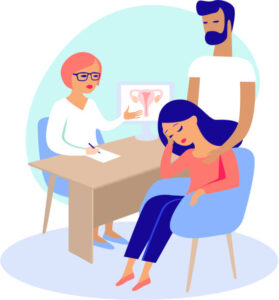
PCOS By Nutritionist Laiba Anum
PCOS: Symptoms, Causes, Treatment, and Nutrition
What is PCOS?
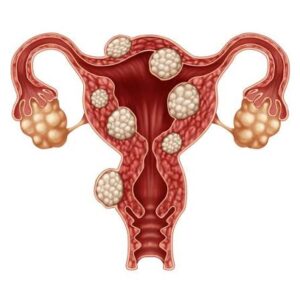
Polycystic Ovary Syndrome (PCOS) is a hormonal disorder affecting women of reproductive age, causing irregular menstrual cycles, cysts on the ovaries, and other physical symptoms.
Symptoms and Complications
– Irregular periods, excess hair growth, acne, weight gain, fertility issues
– Increased risk of infertility, gestational diabetes, high blood pressure, cardiovascular disease, and depression
Treatment Options
– Medications (hormonal birth control, fertility meds)
– Lifestyle changes (healthy weight, balanced diet, regular exercise)
– Assisted Reproductive Technologies (ART) like IVF
Nutrition for PCOS
Key Principles:
1. *Whole foods*: Focus on whole, unprocessed foods like vegetables, fruits, whole grains, lean proteins, and healthy fats.
2. *Low glycemic index*: Choose foods with a low glycemic index (GI) to help regulate blood sugar and insulin levels.
3. *Balanced macronutrients*: Aim for a balanced diet with protein, healthy fats, and complex carbohydrates.
Foods to Include:
1. *Leafy greens*: Spinach, kale, collard greens (rich in antioxidants and fiber)
2. *Berries*: Blueberries, strawberries, raspberries (high in antioxidants and fiber)
3. *Fatty fish*: Salmon, sardines, mackerel (rich in omega-3 fatty acids)
4. *Nuts and seeds*: Almonds, walnuts, chia seeds, flaxseeds (good sources of healthy fats and fiber)
5. *Whole grains*: Brown rice, quinoa, whole wheat bread (rich in fiber and nutrients)
Foods to Limit or Avoid:
1. *Refined carbohydrates*: White bread, sugary snacks, sweetened beverages
2. *Processed meats*: Hot dogs, sausages, bacon
3. *Fried foods*: Fried chicken, french fries, doughnuts
Additional Tips:
1. *Stay hydrated*: Drink plenty of water throughout the day.
2. *Watch portion sizes*: Eat regular, balanced meals to maintain a healthy weight.
3. *Consider supplements*: Omega-3 fatty acids, vitamin D, and probiotics may be beneficial for PCOS management. Consult a healthcare provider before adding any supplements.
By combining a healthy diet with regular exercise and stress management, women with PCOS can better manage their symptoms and reduce their risk of long-term complications.
CELIAC DISEASE By Nutritionist Falak Mazhar
🌾 Celiac Disease: Causes, Symptoms, Risks, and Recovery:
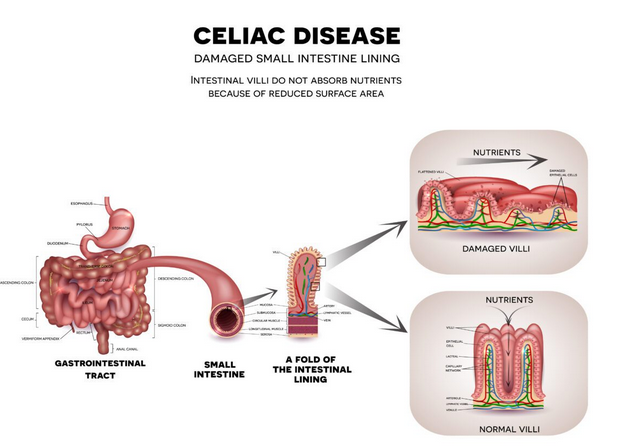
Celiac disease is a serious autoimmune disorder that affects millions of people worldwide. It is triggered by consuming gluten, a protein found in wheat, barley, and rye. For individuals with celiac disease, eating gluten causes the immune system to attack the small intestine, leading to damage, nutrient malabsorption, and a wide range of health problems.
This blog will explore why and how celiac disease happens, who’s at risk, what diseases it can lead to, and how to manage it naturally and medically.
❓ Why Celiac Disease Happens
Celiac disease occurs when the body’s immune system overreacts to gluten. It is believed to be caused by a combination of genetic predisposition and environmental triggers. Individuals with specific genetic markers (mainly HLA-DQ2 or HLA-DQ8 genes) are more likely to develop the disease.
However, not everyone with these genes will develop celiac, indicating that other factors like infections, gut health, or gut permeability (“leaky gut”) may also play a role.
🔍 How Celiac Disease Happens
When someone with celiac disease eats gluten, the immune system mistakenly attacks the villi — small finger-like projections in the small intestine that absorb nutrients. This immune response leads to:
-
Inflammation in the small intestine
-
Damage to intestinal lining
-
Nutrient deficiencies
-
Systemic symptoms beyond the gut
This is not the same as a gluten intolerance or wheat allergy — celiac is an autoimmune condition and can have long-term complications if left unmanaged.
⚠️ Diseases and Complications Caused by Celiac Disease
If untreated, celiac disease can lead to serious health issues:
-
Malnutrition (due to poor nutrient absorption)
-
Iron-deficiency anemia
-
Osteoporosis or osteopenia (from calcium and vitamin D loss)
-
Infertility and miscarriage
-
Liver disease
-
Lactose intolerance
-
Neurological disorders (e.g., peripheral neuropathy, ataxia)
-
Skin conditions (e.g., dermatitis herpetiformis)
-
Increased risk of intestinal cancers
👶 Age and Health Conditions at Risk
Celiac disease can occur at any age, from infancy to adulthood, and some people are more at risk:
High-Risk Groups:
-
People with a family history of celiac disease
-
Individuals with other autoimmune diseases (e.g., Type 1 diabetes, autoimmune thyroid disease, Addison’s disease)
-
Those with Down syndrome, Turner syndrome, or Williams syndrome
-
People with micronutrient deficiencies of unknown cause
-
Infants introduced to gluten early or with early gut infections
💊 Medical Sources for Recovery and Management
There is no cure for celiac disease, but it can be effectively managed by eliminating gluten completely from the diet.
1. Strict Gluten-Free Diet
This is the only proven treatment. It requires lifetime avoidance of all foods containing wheat, barley, rye, and contaminated oats.
2. Nutritional Support
-
Supplements for deficiencies (e.g., iron, calcium, B12, vitamin D)
-
Regular blood tests to monitor healing and nutrient levels
3. Doctor & Dietitian Support
-
Consult a gastroenterologist for diagnosis and follow-up
-
Work with a registered dietitian to build a balanced, gluten-free meal plan
🌿 Natural Sources for Supportive Recovery
Once gluten is removed from the diet, the body begins to heal naturally. These natural supports can accelerate healing and ease symptoms:
Gut-Healing Foods:
-
Bone broth – Rich in collagen and amino acids
-
Fermented foods (yogurt, kefir, sauerkraut) – Promote gut bacteria
-
Leafy greens – High in fiber and nutrients
-
Sweet potatoes, carrots – Soothing, nutrient-dense
-
Bananas, applesauce, rice – Gentle on inflamed gut
Natural Supplements:
-
L-glutamine – Helps repair the intestinal lining
-
Probiotics – Support microbiome health
-
Omega-3s – Reduce inflammation
⚠️ Always consult a doctor before adding supplements, especially in autoimmune conditions.
🛡️ Tips to Prevent Celiac Disease
You can’t prevent celiac disease if you are genetically predisposed, but you can delay onset or reduce severity by:
-
Breastfeeding while introducing gluten to infants (may lower risk)
-
Avoiding unnecessary antibiotics or NSAIDs that disrupt gut health
-
Supporting gut health through diet and probiotics
-
Managing stress, which can weaken immune balance
-
Seeking early diagnosis in family members if symptoms appear
🚨 Common Symptoms of Celiac Disease
Celiac symptoms vary widely and can affect many parts of the body.
Digestive Symptoms:
-
Bloating and gas
-
Diarrhea or constipation
-
Abdominal pain
-
Nausea or vomiting
Non-Digestive Symptoms:
-
Fatigue
-
Weight loss
-
Anemia
-
Depression or anxiety
-
Brain fog or difficulty concentrating
-
Skin rash (dermatitis herpetiformis)
-
Delayed growth in children
-
Irregular menstrual cycles or infertility
Many adults with celiac may have no gut symptoms, making it harder to detect.
🧪 How Is Celiac Disease Diagnosed?
Diagnosis typically includes:
-
Blood Tests
-
tTG-IgA (tissue transglutaminase antibodies)
-
EMA-IgA (endomysial antibodies)
-
-
Endoscopy with Biopsy
-
To confirm damage to the small intestine
-
Important: Do not stop eating gluten before testing, as this may result in false negatives.
🧠 Emotional and Mental Health in Celiac Disease
Living with celiac disease means being constantly vigilant. It can cause:
-
Social anxiety (eating out, traveling)
-
Depression from lifestyle changes
-
Food guilt or fear
Tips for emotional support:
-
Join local or online support groups
-
Learn to cook gluten-free meals
-
Empower yourself with knowledge
-
Celebrate healing milestones
✅ Quick Recap: What to Do If You Suspect Celiac Disease
-
✅ Talk to your doctor before removing gluten
-
✅ Get tested through blood tests and biopsy
-
✅ If diagnosed, follow a strict gluten-free diet
-
✅ Monitor nutrient levels and gut healing
-
✅ Seek support from professionals and peers
Kidney Stone article by Nutritionist Laiba Anum
Kidney Stones: Causes, Symptoms, Treatment, and Nutrition
What are Kidney Stones?
Kidney stones are hard, solid mineral and salt deposits that form inside the kidneys when there’s an imbalance of water, salts, and other substances in the urine.
Causes and Symptoms
– Dehydration, diet, genetics, and medical conditions can contribute to kidney stone formation.
– Symptoms include severe pain, nausea, vomiting, blood in urine, and frequent urination.
Treatment Options
– Pain management, fluid intake, medical expulsion therapy, and surgery.
Nutrition Perspective
Foods to Limit or Avoid:
1. *Oxalate-rich foods*: Spinach, beets, rhubarb, chocolate
2. *High-sodium foods*: Processed meats, canned goods
3. *Animal protein*: Excessive consumption of meat, poultry, fish
Foods to Include:
1. *Citrus fruits*: Lemons, oranges, grapefruits (citrate helps prevent stones)
2. *Calcium-rich foods*: Dairy, leafy greens (calcium binds to oxalate)
3. *Hydrating foods*: Watermelon, cucumbers, celery
General Tips:
1. *Stay hydrated*: Drink plenty of water (at least 8-10 glasses/day)
2. *Balance diet*: Eat a variety of whole foods
3. *Monitor intake*: Limit foods that contribute to stone formation
Prevention
1. *Hydration*: Drink enough water
2. *Dietary balance*: Eat a balanced diet
3. *Regular check-ups*: Monitor kidney function and stone formation